School Burst Pipe Repair
School Plumbing
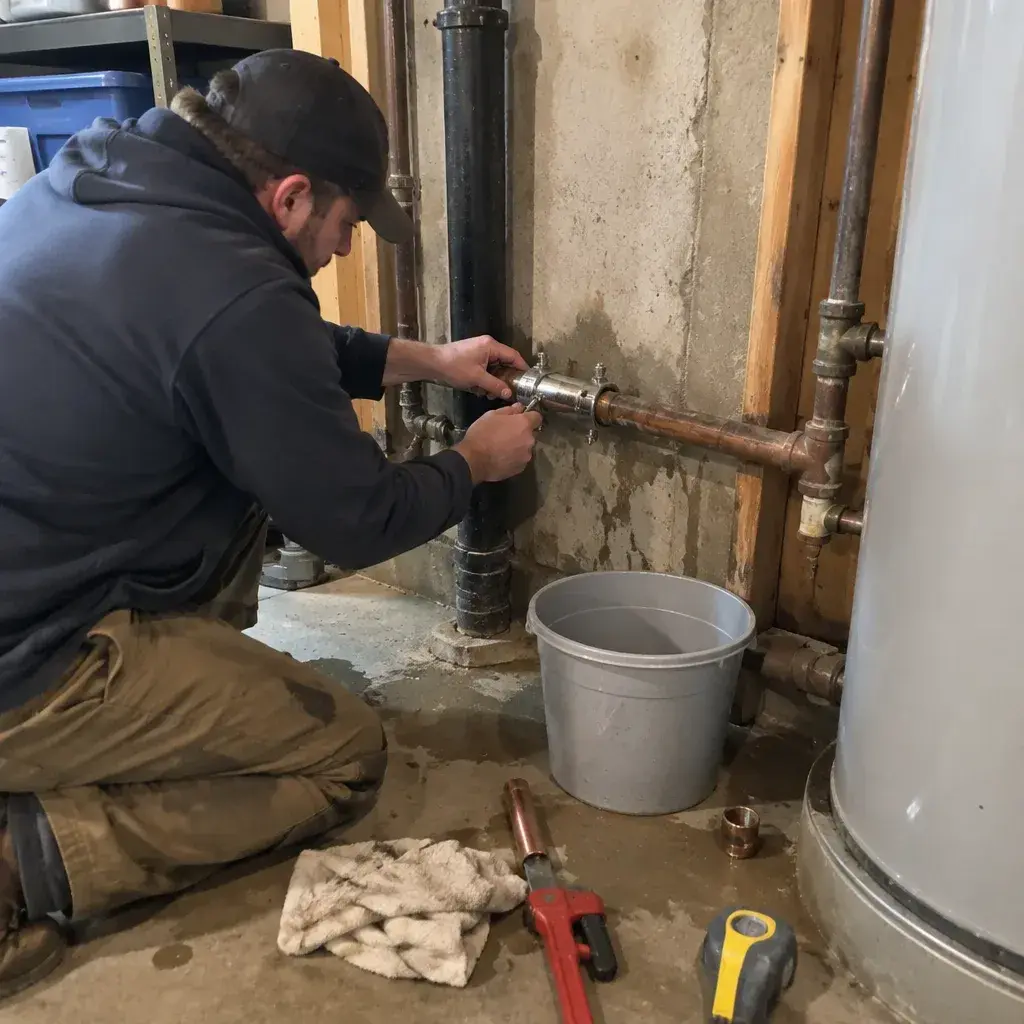
Plan healthcare pipe repair around patient-care areas, controlled access, and the operations that depend on water.
Coordinate with facilities staff and clinical leaders to map affected rooms, access limits, and water-dependent activities. Give that information to the plumbing professional so repair planning accounts for patient care and essential operations, then record the repair and any separate restoration needs.
When staff find water spreading from a supply line during a Nampa clinic’s morning operations, the plumbing repair is only one part of the problem. Patients may need uninterrupted care, staff need clear access, and some departments rely on water throughout the day. Hospital burst pipe repair works best when facilities staff and clinical leadership identify those priorities together before the plumbing professional plans the work. That shared picture helps the pros we connect you with focus on the damaged line while the facility manages its own care and access decisions.
Start by identifying which patient-care rooms, staff areas, and support functions are affected or could be affected by the break. A facilities lead can describe the building’s access controls, while clinical leadership can flag activities that depend on water. In Nampa, those details help the plumbing professional understand the operating setting before proposing how to isolate and repair the line. The useful next step is a shared account of boundaries and priorities, rather than asking one department to make decisions for every part of the facility.
A Nampa facility near Harward Recreation Center may have very different internal routes and care needs from another building, so coordination should use the facility’s own maps and procedures. Identify who can authorize entry, which doors or corridors need controlled access, and who should receive updates. This is medical facility plumbing in an active care environment: the repair plan has to account for people moving through the building as well as the water line. Facilities staff can keep those details organized for the plumbing professional.
The affected zone is more than the spot where water first appeared. Staff can help trace which rooms share the relevant supply and note where water service supports patient care, sanitation, or routine department work. That information gives the plumbing professional context for considering the line’s isolation and repair. In Nampa, facilities staff may also identify nearby support rooms or routes that should remain available while work is planned. Keeping this map specific helps the team discuss operational effects without assuming every connected area has the same needs.
Separate essential water-dependent activities from work that can be rescheduled, and have the appropriate clinical leads decide what belongs in each group. A facilities manager can then explain those constraints to the plumbing professional, who can assess whether the affected line can be isolated without disrupting unrelated areas. Near Lakeview Park, as elsewhere in Nampa, a facility’s own systems and layout determine the coordination details. The goal is a repair plan that fits the building’s operating needs, not a general assumption about how a healthcare site functions.
| Affected area | Water needs | Access plan |
|---|---|---|
| Care zones | Patient-care areas affected | Clinical lead identifies constraints |
| Support spaces | Staff and service areas | Facilities staff confirms access |
| Water-dependent work | Equipment and tasks relying on water | Operational lead flags dependencies |
| Isolation boundary | Affected line and served areas | Plan around essential operations |
| Controlled access | Entry route and restricted spaces | Agree on escort and access rules |
| Staff updates | Teams affected by the work | Name a coordination contact |
| Repair record | Location, materials, and checks | Keep details with facility records |
| Site directions | Nampa address and service entrance | Star landmarks: Riverwalk Park, Blake Haven Pavilion, Tom Erlebach Skatepark |
Before isolation is planned, facilities staff should clarify which valves or line segments serve the affected area and share that information with the plumbing professional. A burst is a rupture in a pressurized supply line, and stopping its flow may require isolating the relevant portion of the system. Any shutoff should be operated only when it is safe to reach and use; wet areas with electrical hazards are not safe access routes. The facility’s operational leads can explain what depends on that water service while the plumber assesses options.
Some services may depend on water from a line that also serves other parts of the building. The facility’s system information and staff knowledge can help the plumbing professional understand those connections and consider whether the affected section can be isolated separately. Do not assume a particular department has an independent supply without confirming it. In Nampa, a facility near Lake Ethel still needs its own building-specific information; a nearby landmark says nothing about the layout inside. Clear coordination can keep the discussion focused on actual connections and operational impacts.
Agree on a point of contact for decisions and updates before work affects controlled areas. Facilities staff can coordinate access with clinical leadership, explain any check-in or escort requirements, and direct questions to the right person. The plumbing professional can then understand where work is authorized and whom to consult if the scope changes. This arrangement matters when patient-care schedules shift or an affected area needs a different access plan. It gives staff a consistent way to share information without asking clinical teams to supervise plumbing details.
Keep a facility record of the affected water service, the operational contacts involved, and the decisions made about access and isolation. This gives facilities and clinical leadership a common reference if a department asks what was included in the repair plan. The record can also distinguish plumbing work from follow-on work that the facility arranges separately. Around Nampa’s Mason Creek area, as across the city, building teams should rely on their own site records rather than assume another facility has the same systems or procedures.
Repair options depend on the damaged pipe and the conditions at the break. The plumber may replace the affected section or use another compatible repair method, matching parts to the existing line’s material, size, and connection. Facilities staff can help clarify whether the work area is subject to access controls, while the plumbing professional determines the plumbing scope. Once repaired, the section should be checked for leaks and water flow. Water extraction, drying, and rebuilding are separate work that may need to be coordinated with another provider.
Operational planning can also help the facility decide how to communicate about the affected area. Clinical leadership can identify which staff need a direct update, while facilities staff can relay the repair boundary and any changes to authorized access. Keep those messages tied to confirmed details from the plumbing professional, such as which line is involved and what area is included. This reduces conflicting instructions as departments continue their work. A Nampa site near Kuna Arts can use its own communication channels and access rules to make that handoff clear.
The facility should capture what the plumber repaired and which part of the water system was checked before the work area is returned to normal use. Ask for the repair details needed for internal maintenance records, including the materials used and the result of the leak check. Facilities staff can share that information with the relevant operational leads, who determine what their departments need to know. A clear record supports future maintenance discussions and helps distinguish the pipe repair from separate cleanup or finish work.
For a Nampa healthcare facility, emergency burst pipe repair costs can depend on where the break is, how accessible the line is, what compatible parts it needs, and how much repair work the damaged section requires. Coordination needs can shape access and work planning, but the plumbing scope depends on the pipe and its condition. Ask the pros we connect you with to explain which factors apply to the repair. Water removal, drying, and rebuilding may involve separate providers and separate costs.
A useful handoff brings facilities staff, clinical leadership, and the plumbing professional around the same description of the affected area, water-dependent activities, and access controls. Facilities staff can keep the repair details with site records and coordinate any separate restoration work. The plumbing professional assesses the pipe, selects a compatible repair, and checks the completed section. With those responsibilities clear, the facility can make operating decisions using its own procedures. What internal contacts and system information will help your team define that handoff?
A pipe split during a Nampa care facility’s busy shift, and water showed up far from the source. That gap matters: the wet ceiling may sit above a patient room, while the line serves a support area with its own schedule. Facilities staff and clinical leaders can map affected spaces, access limits, and water-dependent work before the plumbing professional plans the repair. Keep the local site description clear, whether staff use Nampa, Middleton, Greenleaf Friends Academy, or Kuna Arts and History Center as a nearby reference. Then record what was isolated and what needs restoration.
Coverage depends on the address, so share your location when you ask about service; the pros we connect you with can clarify which communities are included, includingParma, Horseshoe Bend and New Plymouth. When you request a repair estimate, ask the pros we connect you with whether a travel or visit charge will apply.
Commercial burst-pipe work is commonly estimated per visit, with $350–$1,300 as a guide. The amount can change with the affected line’s size, pipe material, access needed to find the break, and whether a compatible repair or section replacement fits. Separate visits can affect the total.For a Nampa business, larger lines or longer damaged sections can call for different pipe and fitting sizes, changing the parts list and estimate. When you call, describe where water appeared, whether the pipe is accessible, and what the line serves. Ask what locating and repair cover.Use the pricing guide to review repair cost factors; the commercial overview explains what shapes assessment of a commercial burst pipe repair.
School Plumbing
Multifamily Plumbing
Office Plumbing
Bring the facilities lead and clinical leadership into the same planning conversation with the plumbing professional. Identify which patient-care and support areas are affected, who controls access, and which activities rely on the water line. In Nampa, a room-level map can help teams compare repair access with care schedules and agree on workable boundaries before work is planned.
Share the affected rooms, access rules, and any water-dependent activities with the plumbing professional. Facilities staff can identify who may authorize entry and which routes must remain available to staff and patients. This gives the repair plan practical boundaries without asking the plumber to infer how the Nampa facility operates.
Yes. The licensed pros we connect you with can review fixtures, drains, and supply lines to help identify the plumbing concern. In a Nampa facility, facilities staff can flag adjacent rooms and concealed routes for assessment, then coordinate access with the teams responsible for those spaces.
Keep a record of the affected line and rooms, the areas made accessible, and the repair details provided by the plumbing professional. Note which operational leads coordinated access and any restoration work still outstanding. These notes help Nampa facilities staff hand off accurate information across teams and track what remains outside the plumbing repair.
Bring facilities staff and operational leads together to map affected rooms, access rules, and water-dependent activities for the plumbing professional.
Call +12084868147