Office Burst Pipe Repair
Office Plumbing
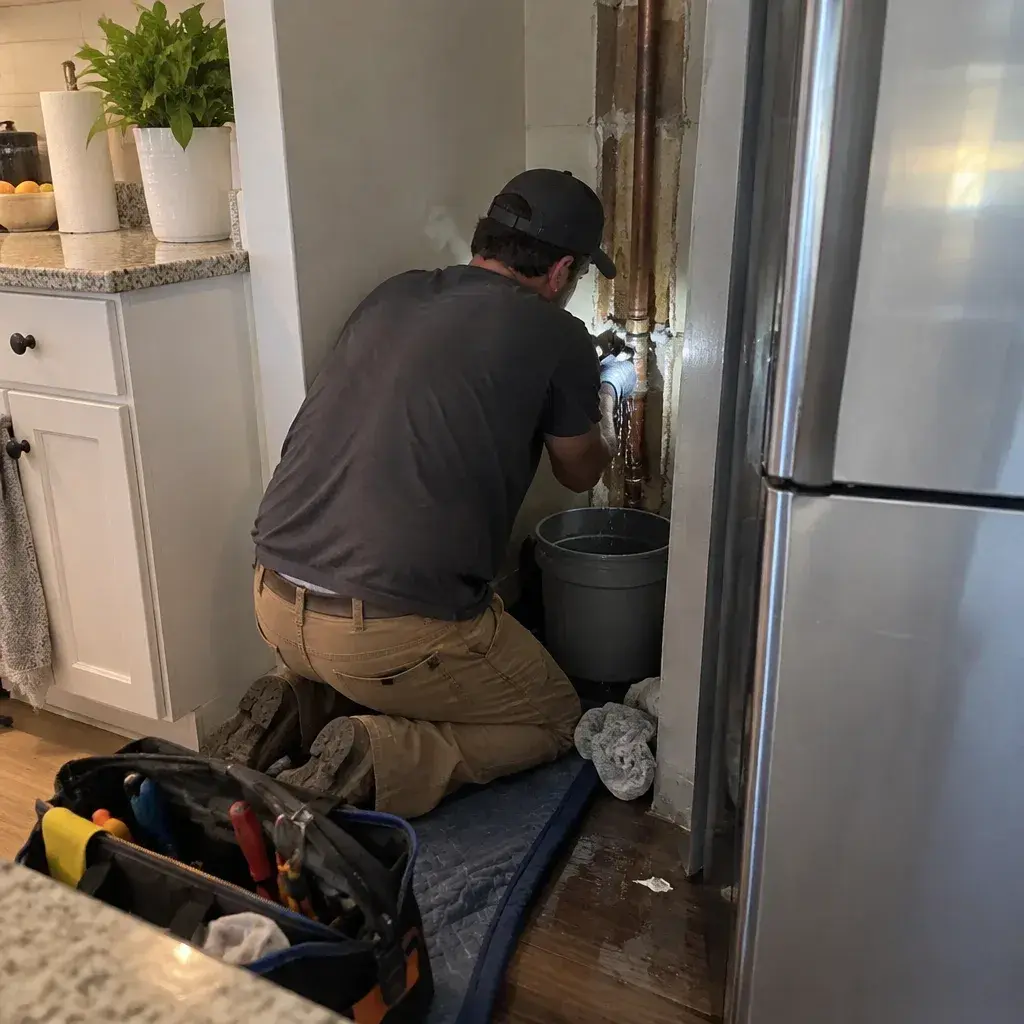
Coordinate school access and water service while a plumber locates and repairs the burst line.
A plumber locates the break, coordinates entry and work boundaries with school staff, and isolates the affected line where possible. Staff can keep the affected area clear while the repair and leak check are underway.
A ceiling stain appeared over a Nampa school corridor before classes, then water began running toward a classroom door. That burst pipe needs a plumbing repair, but the first decisions also shape who can pass through the building and which rooms can stay open. School burst pipe repair starts with a facilities contact identifying the affected area, sharing access rules, and naming the day’s schedule. The pros we connect you with can coordinate a safe work area and explain which water service may need to be interrupted.
A facilities contact can describe the campus entrance, check-in process, restricted areas, and any escort requirements before the pros we connect you with arrive. In Nampa, a familiar reference such as Lakeview Park, Lake Ethel, or Mason Creek may help staff describe the campus location, while the actual entrance instructions guide access. Keep students and staff away from wet floors, tools, and exposed pipe. If the affected space has an electrical hazard, do not enter it to reach the pipe or a shutoff.
The plumber first traces where water is escaping and determines whether the break is exposed or concealed above a ceiling, behind a wall, or below a floor. Water can travel from the split before it appears, so the wet spot may not mark the damaged section. A Nampa facilities representative can point out the first sign, affected rooms, and any safe route to the pipe. That information helps the plumber plan access without sending students or staff through the work area.
Before isolating water, the plumber and facilities contact identify which supply line serves the affected space and what other rooms depend on it. A valve should be operated only if it is safe to reach and use; standing water near electrical equipment makes access unsafe. If the line can be isolated safely, stopping its flow limits further release while the damage is assessed. The school can then tell staff which sinks, restrooms, or other water fixtures may be unavailable.
A whole-building shutoff can affect more than the room where water appeared, so the facilities contact should confirm the expected service interruption with the plumber before work begins. Together, they can identify entrances or rooms that need to remain clear and share the disruption with staff who use those spaces. At a Nampa campus, this coordination can help keep unaffected areas operating while the damaged line is isolated. The plumber can explain what must be shut off; school staff decide how to route occupants.
| School area | Coordination | Repair focus |
|---|---|---|
| Entry route | Use the approved staff entrance | Entry point and escort |
| Work boundary | Keep students clear of the work zone | Rooms or corridors restricted |
| Water isolation | Confirm affected fixtures and users | Valve and interruption notes |
| Work window | Coordinate with the school schedule | Agreed access and service notes |
| Staff notice | Share which areas lose water | Notice recipients and scope |
| Pipe access | Control access to opened surfaces | Pipe location and access details |
| Compatible repair | Match parts to the existing line | Pipe material and connection |
| Service return | Check for leaks and confirm flow | Repair check and service status |
Once the break is located and water flow is stopped, the plumber checks the pipe material, size, connection type, and condition around the damaged section. Copper, PEX, and other approved systems require compatible parts and installation methods. Depending on the pipe and access, the repair may use a suitable fitting or replace the damaged portion. The repair addresses the supply line itself. A concealed break may require opening an access point before plumbing work can proceed.
A visible split or steady spray can make the source easier to identify, but a ceiling drip may have traveled along framing from a concealed pipe. The plumber follows the signs to the actual break and explains what access the repair requires. For a school, that means the facilities contact can arrange a boundary around the work and keep people clear of the opening. The repair choice follows the pipe and its condition, not simply the place where water first showed.
When a section needs replacement, the plumber matches the pipe and fittings to the existing water line, then installs them using a method suited to that system. If the line cannot be isolated at the fixture, the plumber may need to coordinate a broader water shutoff before cutting into it. In Nampa, the facilities representative can confirm where the plumber may stage tools and which doors or corridors must stay available. This keeps the work area defined while the line is repaired.
Water service can be interrupted while the pipe is isolated and repaired, so staff need a clear update about the affected areas and fixtures. The facilities contact can share which routes to avoid, where access remains open, and when to check for a further update. The plumber should describe the scope of the water interruption as it becomes clear. This gives school staff useful information for moving classes or adjusting room use without promising a schedule the repair may change.
Work-area boundaries matter during passing periods, meal service, and other times when corridors fill. School staff know the building’s movement patterns; the plumber knows what space is needed to reach and repair the pipe. Agree on the route for entry and tool movement, then keep students away from wet flooring, open ceilings, and equipment. If the repair affects an occupied room, staff can arrange another space while the line is assessed. These steps reduce conflict between building access and daily operations.
After the plumbing repair, the plumber checks the repaired section under water pressure for leaks and confirms that water flows. The facilities contact can confirm which fixtures or areas are ready to return to use and relay that status to staff. At a Nampa school, record the location of the break, the line or area isolated, the repair performed, and the check completed. This creates a useful building record for facilities staff who may need to review the work later.
Plumbing repair and water damage restoration are separate scopes. Water can travel along framing before it becomes visible, so the apparent leak location may not show the full path of moisture. If ceilings, flooring, or other finishes were wet, school staff can document the affected rooms and arrange the appropriate follow-up. Keep the work area restricted until the facilities contact confirms that access is suitable for normal use. A plumbing repair alone does not establish that wet building materials have dried.
Before work starts, ask the pros we connect you with what access they need, which line or fixtures may lose service, and how they will report changes during the repair. Share campus check-in steps, room restrictions, and schedule constraints with the plumbing contact. In Nampa, an independent local plumbing pro can discuss the affected area and building procedures with your facilities team. Confirm who will update staff and who will record the completed repair and any separate restoration needs.
After the line is repaired, the remaining questions are practical: which rooms can reopen, what water-damaged areas still need attention, and what should the facilities file retain? Ask for the repair location, parts used, water-flow and leak check, and any limits on service that remain. If the break was concealed, confirm what access was opened and whether another provider must handle drying or rebuilding. A clear handoff helps the school resume operations with the repair and follow-up documented.
When a pipe ruptures during a school day, the first challenge is controlling access and keeping the affected route clear. In Nampa, facilities staff can identify the building, rooms, and entry procedures before a plumber begins tracing the leak. A campus plan may use familiar references such as Wolfe Field, the Boise River, or Boise to clarify which site is involved. Once the damaged line is located, the team can plan water isolation, compatible repairs, and clear updates for staff. The work is easier to coordinate when everyone knows which services will pause and who needs notice.
If you are comparing nearby service options, ask whether your home is covered; the pros we connect you with can verify availability across the area, includingPayette, Weiser and Mountain Home. Before scheduling, ask the pros we connect you with for a repair estimate and whether a visit charge applies.
Commercial burst-pipe work is commonly estimated per visit, with $350–$1,300 as a guide. The amount can change with the affected line’s size, pipe material, access needed to find the break, and whether a compatible repair or section replacement fits. Separate visits can affect the total.For a Nampa business, larger lines or longer damaged sections can call for different pipe and fitting sizes, changing the parts list and estimate. When you call, describe where water appeared, whether the pipe is accessible, and what the line serves. Ask what locating and repair cover.Use the pricing guide to review repair cost factors; the commercial overview explains what shapes assessment of a commercial burst pipe repair.
Office Plumbing
Nampa Hotel Plumbing
Restaurant Pipe Repair
Facilities staff can show the plumber the affected room, approved entry point, and any school access steps before work begins. They can keep students and staff away from the repair area while preserving a clear route for the plumber and necessary tools. In Nampa, agree on who will share updates if the work area or access route changes.
The plumber can trace the affected branch and check whether a local valve can isolate it while other areas remain supplied. The building’s valve layout determines what can stay in service. In Nampa, facilities staff can identify essential rooms and coordinate the isolation window with the school schedule before the plumber operates the relevant controls.
Keep a facilities record of the building and room, the affected line, the isolation used, parts installed, and the plumber’s leak check. Note when service was interrupted and restored, along with any rooms that remained unavailable. This gives the next facilities contact a useful account of the repair without relying on memory.
The plumber may replace the damaged portion with pipe and fittings suited to the existing supply line. The replacement needs secure connections to the pipe left in place. If the line is concealed, the damaged section must be reached before a lasting repair can be made and checked.
Discuss the affected area, school access procedures, and schedule with an independent local plumbing pro before work begins.
Call +12084868147