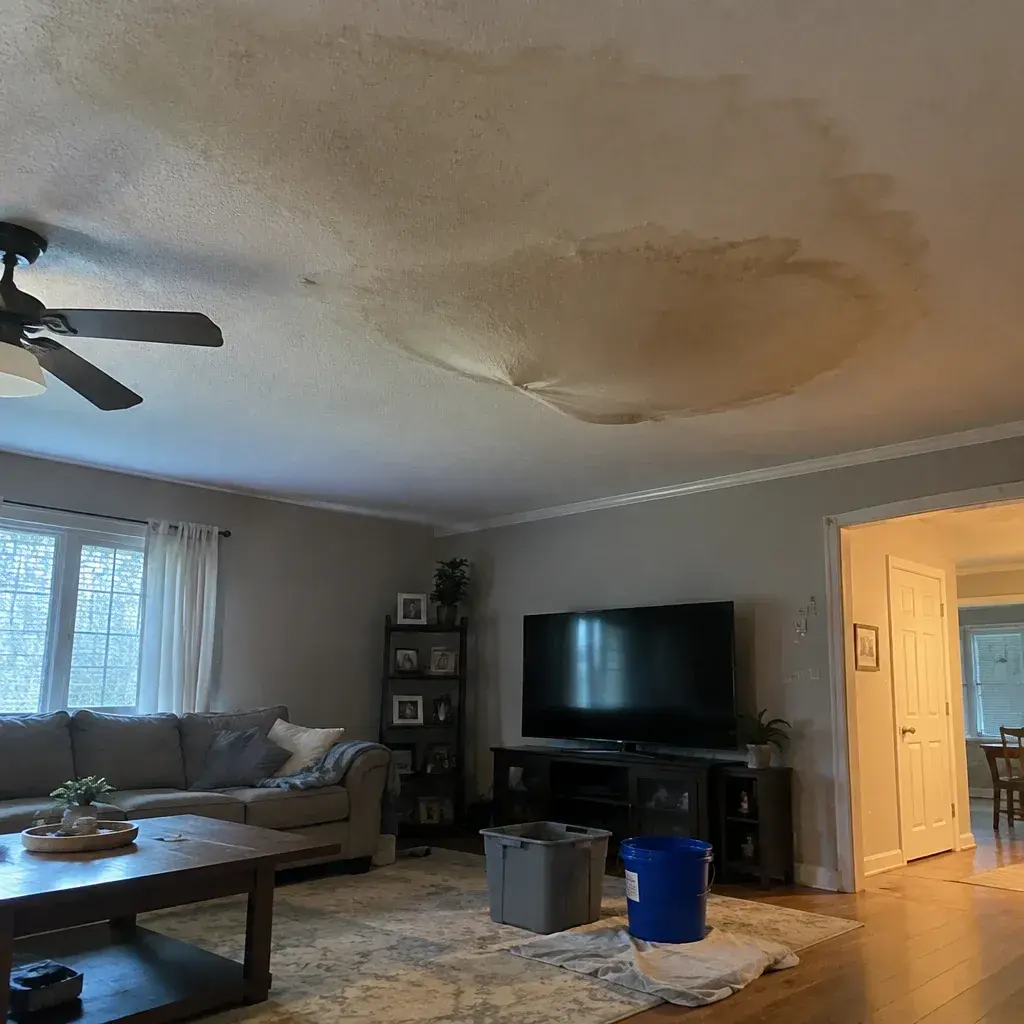
When a Damaged Joint Starts Leaking
Nampa’s residential service area spans 83651, 83686, and 83687, but the reviewed records do not map pipe age or strain reports by ZIP. The actual route, nearby supports, and signs of movement at your home matter more than a citywide assumption.
Lakeview Park, Lake Ethel, and Mason Creek are local reference points, not evidence of a shared pipe layout. A home near any of them needs its own check for contact, vibration, or movement along the supply line.
Homeowners reach out from throughout Nampa and Canyon. Because postal ZIPs do not line up exactly with city limits, share the street address with the pros we connect you with so they can confirm whether service is available there.
Signs of a Pipe Break
- STRAIN CLUES
- A bend or joint beside a contact mark can show where movement concentrated; photograph the pipe route before it is disturbed.
- MOVEMENT
- If a pipe trembles when equipment runs, note which equipment and where the motion is strongest along the route.
- PIPE MATERIAL
- A new scrape beside a pipe can reveal repeated contact as the line shifts within a confined space.
- REPAIR SCOPE
- Pipe material, size, and connection style determine which repair parts suit the existing supply line.
- LEAK CHECK
- A nearby surface that appears to have shifted may call for a separate building assessment alongside plumbing work.
- CLEANUP SCOPE
- In Nampa, seasonal temperature changes can make pipe material expand or contract, while cold can stiffen exposed lines. Before winter, look for tight bends, rubbing, or contact that leaves little room for movement.
- LINE MATERIAL
- an estimated $275–$1,100
Choosing a Repair for the Pipe
A pinhole leak can leave dampness near a supply line, much like a stress split. The nearby pipe shape, contact marks, and joint alignment help distinguish a movement problem from a small leak without those clues. Compare the pipe’s condition at the joint and along its route. A stress split may sit beside a pull, scrape, or tight contact point; a pinhole leak may leave moisture without those movement clues. The plumber assesses the line itself to tell which problem is present.
Locating the Break in the Line
The plumber first identifies the split and follows the line to its bends, joints, supports, and contact points. They look for rubbing, a pulled alignment, vibration, or a nearby surface that may have shifted. If the pipe is concealed, finding the break may require access to the affected area.
After locating the stress source, the plumber determines how the line can sit without being pulled against a bend, fitting, or moving surface. They choose a method and compatible parts for the existing pipe, address the source of movement where practical, and bring the line back under pressure to assess the result.
A clamp may slow water from an accessible split, but it is temporary. A lasting repair may fit into one visit once the damaged section and compatible parts are clear. Ongoing attention is worth discussing if the plumber finds more than one vulnerable section.
WHEN A PIPE FIX ENDS AND CHECKUPS CONTINUE
| Repair Method |
Repair That Fits |
|---|
| One break, spotted early | Compatible pipe replacement |
| Repeat seepage from an earlier pipe repair | safe water shutoff |
| Several compromised pipe sections, not one break | Damaged line replaced; water flow checked |
Stay Clear of Electrical Hazards
You can take clear photos of the split area, nearby supports, rub marks, and any visible shift in adjacent surfaces. Write down whether ticking or movement coincides with equipment use or a temperature change. Do not bend, loosen, or reposition the pipe; changing its position can hide the evidence of what strained it.
Hidden Breaks and Careful Access
A split supply line can release water near powered equipment, so treat a wet electrical area as a hazard. Do not cross standing water to reach a pipe or touch a wet switch or appliance. Keep people clear and get appropriate help if the water is near electrical equipment. Water removal and drying may need a separate provider after the plumbing work.
What Goes Into the Repair Cost?
A concealed line may require different access than an exposed one; request an estimate after the plumber locates the damaged section.The guide shown as $350–$1,300 covers locating and repairing the damaged supply pipe, with the amount shaped by pipe material, access, and how much must be replaced. It leaves out water extraction, drying, and rebuilding. For your Nampa home, the pros we connect you with can confirm any visit charge and the exact repair scope when you call.Review the full price bands in the pricing guide; Burst Pipe Section Replacement shows which repair service applies here.