Apartment Burst Pipe Repair
Multifamily Plumbing
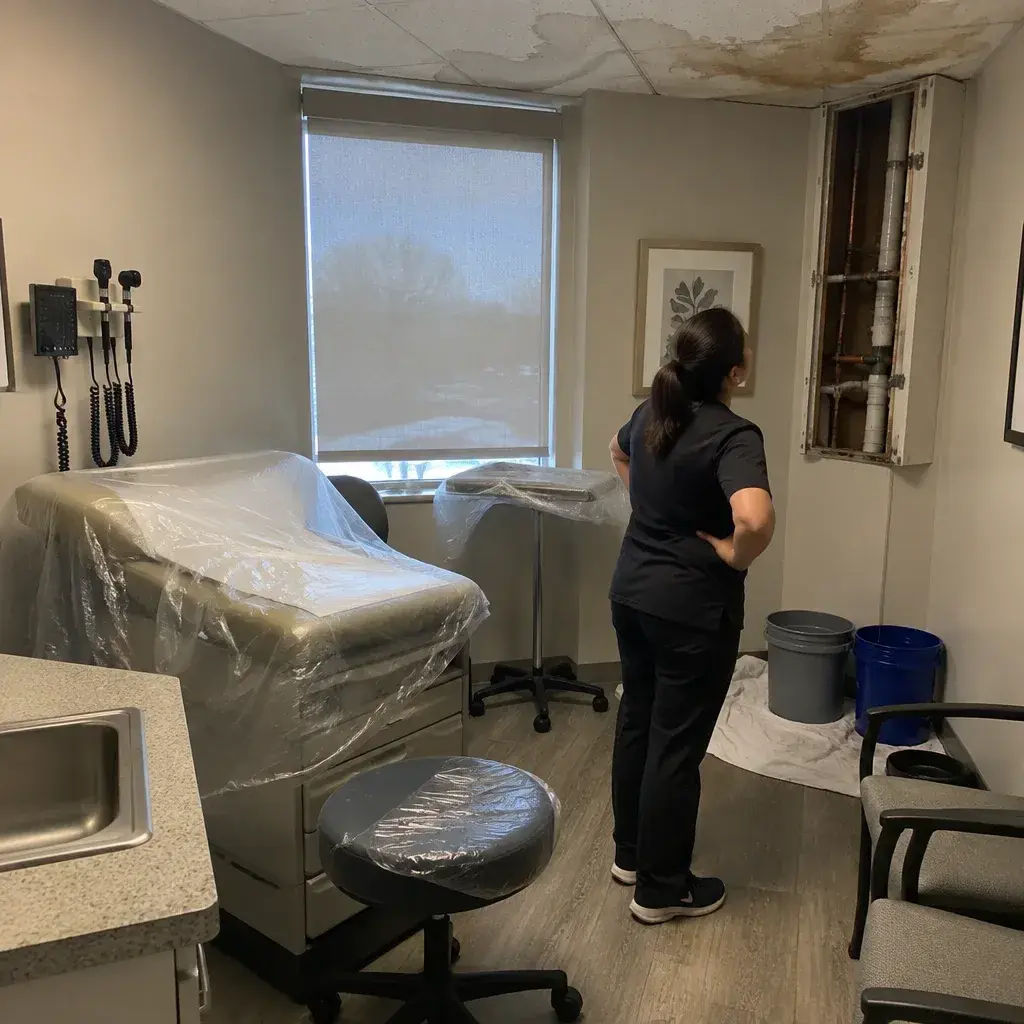
Plan office access, protect work areas, and coordinate water service around the affected plumbing zone.
A plumber assesses the affected line and, where the building allows, isolates only its zone. Share access limits and occupied areas so facilities staff can coordinate the repair, protect sensitive work areas, and plan for water service to return with less disruption.
A pipe split during a workday can send water into an office before anyone sees the break. In Nampa, a useful repair plan starts by mapping the affected rooms, the supply zone, and the work that cannot stop. A burst line releases water under pressure, so you may need to protect occupied areas while the source is located. Clear information about access, sensitive equipment, and business hours helps the pros we connect you with plan a compatible repair and return water service with less disruption.
A wet ceiling tile, water near a copier, or a sudden loss of water in a Nampa office can point to different parts of the same supply system. Tell facilities staff which rooms are affected and whether restrooms, break areas, or tenant suites share that line. Water can travel before it appears, so the visible mark may sit away from the split. A simple floor plan with affected areas marked gives the plumbing professional a useful starting point without assuming the leak’s location.
The goal is to limit the repair footprint while keeping essential office functions available. If the plumbing layout allows it, isolating the affected zone can preserve service elsewhere in the building. The building’s valve map, tenant boundaries, and critical operations help determine whether that option is practical. Nampa facilities teams can share which areas must remain accessible and when noisy or ceiling access work would cause the least interruption. The repair still depends on finding and correcting the actual break.
Access planning often decides how smoothly office burst pipe repair fits around a working day. Identify locked mechanical rooms, ceiling areas that need a lift, security check-in rules, and any escort requirements before arranging entry. In Nampa, a facilities contact can coordinate with occupants so the affected workspace is clear when access is needed. If a suite is occupied by another business, agree on who can authorize entry and where staff should work while the affected area is unavailable.
A repair area may sit above desks, beside a server cabinet, or behind stored files, and each setting calls for different protection. Point out equipment that should be moved or covered, plus records and furnishings that cannot be disturbed. Keep people away from wet flooring and mark a clear route for the plumbing professional to reach the pipe. Nampa office managers can include these constraints in the access plan so protection happens before tools and replacement materials enter the work area.
| Affected area | Access needs | Work impact |
|---|---|---|
| Affected zone | Rooms with visible leaks or dampness | Nearby offices that may share the line |
| Affected office zone | Ceiling panels, locked rooms, utility closets | Escort and entry arrangements for the pros we connect you with |
| Operating schedule | Meetings, busy periods, room availability | Work window that avoids key activities |
| Water zone | Fixtures and departments served by the line | Whether a local isolation point is accessible |
| Sensitive contents | Records, electronics, and stored supplies | Relocation or cover before pipe access |
| Work boundaries | Clear route to the affected pipe | Barriers around tools and exposed surfaces |
| Repair reference | Photos of the damaged pipe before work | Notes on materials and section replaced |
| Service return | Fixtures to check after water is restored | Operations contact to confirm areas are usable |
Water near a wall or ceiling does not always reveal where the line failed. The break may be concealed, and water can run along framing before it appears in a different room. Share when the leak first became visible, which areas became wet, and whether the pattern changed as fixtures were used. For a Nampa office, photos of affected surfaces can help explain the spread and support discussion of access needs, while the plumber traces the source before choosing the repair scope.
The pipe itself determines which parts can make a lasting connection. Copper, PEX, CPVC, and other approved systems use different joining methods, so the replacement section and fittings must suit the installed line’s material, size, and connection type. The surrounding pipe condition also matters: damage beyond the visible split may change how much needs replacement. In Nampa, a facilities manager can share any available plumbing plans or prior alteration notes to help identify the system without guessing from the building’s age.
When a supply line splits at work, water may travel from a ceiling void into occupied offices before the break shows. For office burst pipe repair in Nampa, give the pros we connect you with a floor plan, affected rooms, access rules, and nearby equipment or paper files to protect. Facilities staff can identify whether a valve isolates that plumbing zone, allowing unaffected areas to stay open while the damaged line is addressed. Clear the work area and tell occupants which rooms need access; restore service by zone when feasible.
Repair notes and photos can give facilities staff a shared account of what was damaged and what work was completed. A clear image of the exposed pipe, paired with a brief description of its location, can make the affected system easier to identify during later building discussions. In Nampa, label the area in terms staff recognize, such as a suite or floor, rather than relying on a vague phrase like “back office.” Keep the focus on the plumbing condition and completed work.
Service restoration is easier to communicate when the affected zone and the result are clear. The plumber checks the repaired connection for leaks and confirms that water flows after the supply is returned. Facilities staff can then pass along which areas have water again and whether any fixtures remain unavailable. For an office near the Boise River corridor, or elsewhere in Nampa, a concise update helps occupants plan around the service status without implying that water damage cleanup is complete.
Note where water first appeared and how far it spread before deciding whether the plumbing repair also needs a restoration assessment. That distinction matters in an office because wet carpet, ceiling materials, and equipment may need attention even after plumbing service returns. Ask facilities staff to identify any affected work areas that need further assessment and keep those areas out of use when conditions are unsafe. The plumbing repair and the building restoration can be coordinated, but they are separate scopes of work.
Operational constraints can shape the repair plan without changing what the damaged pipe needs. Note whether a department handles confidential files, whether customers visit the affected area, and which workstations cannot be relocated easily. Staff coordinating from Caldwell or Meridian can share those details with the Nampa site contact, who can confirm building access and affected occupants. This keeps the decision centered on the specific office, rather than assuming every location has the same layout or business priorities.
Safety sets the boundary for what staff should do before repair planning goes further. From a safe, dry spot, note where water appears and whether it spreads, then share those observations with the licensed pros we connect you with. Do not enter an unsafe ceiling space or try to reach a damaged pipe through an unstable area. In Nampa, tell the pros we connect you with about standing water, nearby electrical equipment, and any access restriction so they can account for those conditions.
To prepare for emergency burst pipe repair, gather the affected room list, known valve or zone information, entry rules, and the office’s operating constraints. Share photos that show the visible damage and its surroundings, along with any plans that may identify the supply line. Ask the plumbing professional to confirm how the damaged section will be addressed and how water service will be checked afterward. Idaho DOPL says plumbing work requires a permit; confirm the process that applies to the specific repair and jurisdiction.
On a busy day in Nampa, water across a corridor can interrupt work far from the pipe that failed. Give the plumbing professional a clear map of affected rooms, ceiling or wall access limits, and any equipment or records that need protection. Facilities staff can coordinate entry with occupants and identify whether a shutoff serves only the affected zone. Photos of the exposed damage and concise notes on the work completed can help the building team understand what changed before water service returns. Near Lakeview Park, the same planning starts with the rooms and systems affected.
Check whether your address falls within the service area before arranging plumbing help; the pros we connect you with can confirm local coverage, includingEagle, Nampa and Caldwell. Before scheduling, ask the pros we connect you with for a repair estimate and whether a visit charge applies.
For a commercial building, the estimate often starts with a visit to locate the break and assess the pipe. The inspection can also note the condition of nearby pipe sections. Additional visits may change the cost.For a Nampa business, larger lines or longer damaged sections can call for different pipe and fitting sizes, changing the parts list and estimate. When you call, describe where water appeared, whether the pipe is accessible, and what the line serves. Ask what locating and repair cover.Use the pricing guide to review repair cost factors; the commercial overview explains what shapes assessment of a commercial burst pipe repair.
Multifamily Plumbing
Nampa Hotel Plumbing
Tell the plumber which rooms are wet, where water first appeared, and whether it is still spreading. In Nampa, a facilities contact can arrange access to the affected offices and point out equipment or records that need protection. If a valve is safely reachable, isolating the affected zone may preserve service elsewhere. Keep people out of wet areas with electrical hazards, and share any access restrictions before work begins.
Possibly, if the office layout has valves that isolate the damaged branch and the plumber confirms they control the right area. A zone valve may keep unaffected restrooms or work areas supplied while the break is repaired. The building’s pipe layout determines what can remain in service. Tell the plumbing professional which functions cannot be interrupted, and have facilities staff coordinate access around occupied spaces.
Move sensitive equipment, paper files, and other contents away from the wet area only if you can do so safely. Do not enter standing water where electrical equipment may be involved. Mark off the affected rooms and let facilities staff guide occupants around them. An office near Harward Recreation Center, for example, still needs its own access plan based on the actual rooms and equipment involved.
If water is still spreading, closing a nearby shutoff can limit how much reaches the room. A damp ceiling or wall may help narrow the search, but the pipe may be concealed. In Nampa, give the pros we connect you with the building address, a facilities contact, and any known access limits so they can plan around occupied areas.
Share the affected rooms, access limits, and operating needs with a plumbing professional serving Nampa to plan the repair and service restoration.
Call +12084868147