Apartment Burst Pipe Repair
Multifamily Plumbing
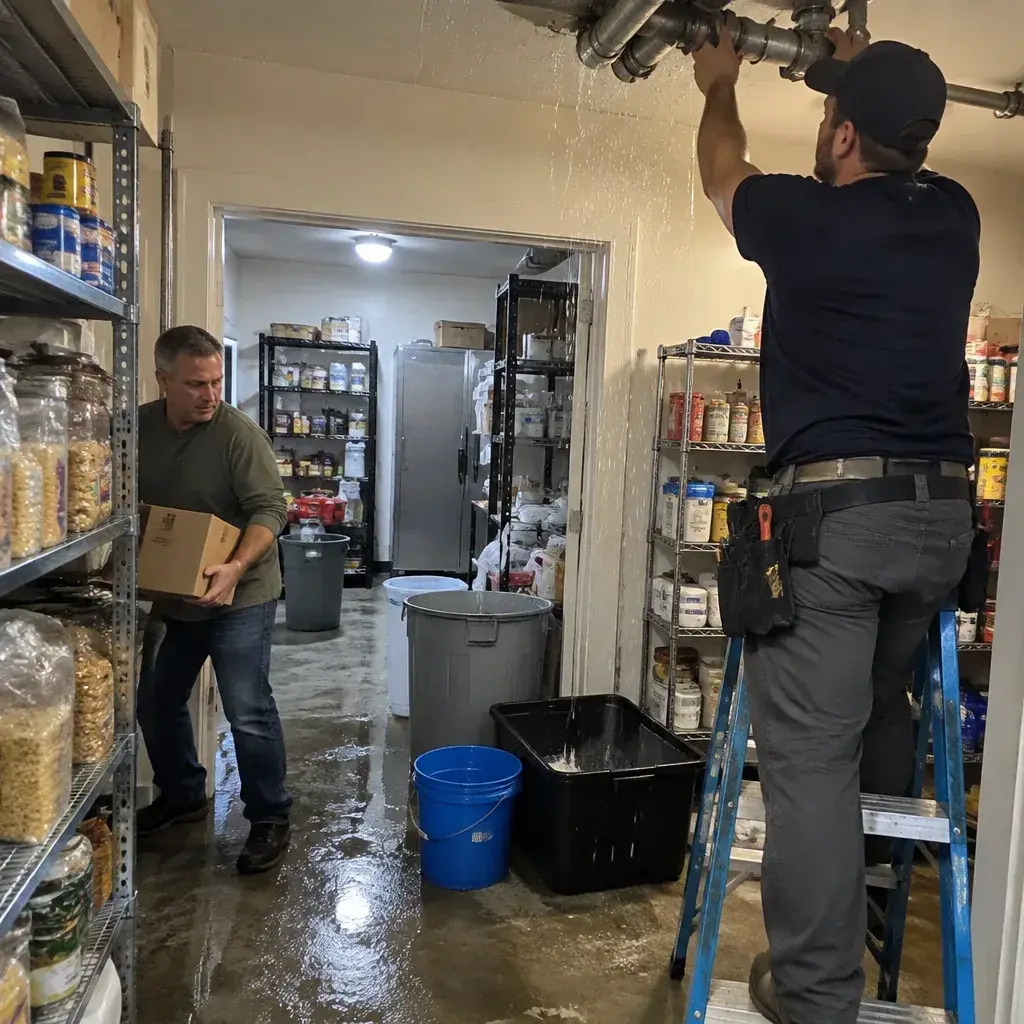
Plan industrial burst pipe repair around facility access, affected systems, and a coordinated return to water service.
Record which equipment or materials are exposed to water so the repair plan can account for nearby operations. After checking for leaks and confirming flow, coordinate staged service restoration with facility operations.
A pressurized supply pipe can split without warning: one shift, water is crossing a production floor, and the affected line may serve more than the wet area. In Nampa, industrial burst pipe repair starts by identifying which production and support zones depend on that supply. The repair plan then turns on safe isolation, process dependencies, access, and compatible parts. Those choices help the pros we connect you with limit the shutdown to affected systems and plan how service can return in stages.
Start with a facility map that shows the wet area and every production or support zone connected to the suspected line. A leak in one bay may affect wash stations, process equipment, restrooms, or other areas supplied from the same branch. In Nampa, operations and maintenance staff can help mark what has lost water and what must stay available. That map gives the plumbing professional a practical boundary for assessing the interruption.
Water may appear far from the break, especially when a concealed pipe runs above a ceiling or behind a wall. Note where it first showed, where it has spread, and which fixtures or equipment have lost supply. At a Nampa facility, a clear account from the people who saw the change helps the professional trace the line without treating every damp area as the source. Keep people away from wet areas where electrical hazards may be present.
When a pressurized line splits during a Nampa shift, water can cross a warehouse aisle before anyone sees the break. Industrial burst pipe repair planning starts with a zone map: mark the wet area, production cells, washdown points, restrooms, and support rooms, then trace which supply branches serve them. A warehouse pipe repair may involve shared lines, so isolating one branch could leave another area operating or take it offline. Give the plumbing professional a current process map and a clear route to the affected space.
Some systems cannot simply lose water at the same moment as every connected area. Operations staff can identify equipment that needs an orderly stop, support functions that must remain available, and dependencies between lines. For Nampa facilities, this information helps shape an isolation boundary that limits unnecessary interruption. The professional can then discuss whether a smaller section can be shut down while adjacent areas continue operating, subject to the pipe layout and safe access.
| Area | Dependency | Planning note |
|---|---|---|
| Affected zones | Production zone | Support zone |
| Isolation boundaries | Linked equipment and process loads | Utilities shared with production |
| Restoration stages | Branch valves serving the line | Boundaries affecting adjacent users |
| Break location | Exposed pipe or access needed | Ceiling, wall, or floor access |
| Repair match | Pipe material, size, and fittings | Compatible parts for existing line |
| Safe access | Keep work clear of equipment | Coordinate entry with maintenance |
| Restart order | Confirm process readiness first | Restore connected areas by stage |
| Handoff notes | Record scope and affected assets | Note restored zones and open work |
Access affects both the repair choice and the time a zone remains out of service. A visible pipe in a service area may be reachable directly; a concealed line can require access through a wall, ceiling, or floor. Tell the professional about restricted work areas, equipment that blocks the route, and site access procedures. At an industrial site in Nampa, arranging access with operations and maintenance can prevent avoidable delays once the repair area is identified.
Closing the affected valve can limit further water release while the repair is planned. Copper, PEX, and other approved materials require suitable joining methods; a fitting that does not match can create another leak. If facility records identify the system, share them with the professional. The pipe itself still needs assessment, since records may not show its current condition or every change made to the installation.
After the damaged section is addressed, restoring every outlet at once may not fit the plant’s dependencies. In Nampa, operations and maintenance can rank production equipment, sanitation, and staff support by what must return first, then decide which areas can remain isolated while others resume. Record the repair scope, parts used, isolation boundary, and status of each area as service returns. That handoff helps the next shift see what is available and what still needs attention, while keeping plumbing work distinct from any water cleanup or building repairs.
Service can return by zone when the pipe layout allows the repaired section to be separated from other work. The facility team and plumbing professional can identify which production area is ready first and which support systems still depend on the isolated line. In Nampa, recording those boundaries helps operations understand what remains unavailable as water is restored. A staged plan needs to follow the actual system; separate valves or branches cannot be assumed without confirming them.
A drop in pressure elsewhere in the system may signal that the line has not returned to normal operation. That check focuses attention on the new connection and the pipe around it, where a poor match or damaged material could still cause trouble. The facility contact can note which zones were returned to service and report any renewed moisture or loss of supply promptly.
A useful repair record identifies the affected line and zones, the damaged section, the materials used, and the boundaries of any staged return to service. Include known valve positions or system drawings when available, and note any area that remains isolated. This gives maintenance staff a reference if the same line needs attention later and helps operations see which systems were included in the work. Keep the record focused on the actual repair and observed checks.
A burst line can also leave water on floors, inside wall cavities, or around equipment after the plumbing is repaired. Water on a walking surface can create a slip hazard while cleanup is pending. Make the wet area and any affected equipment known to facility staff so they can coordinate the next work around operations. Do not treat a dry surface as proof that concealed spaces have dried.
Warehouse pipe repair follows the same operational priorities: locate the break, determine what the line supplies, isolate safely, and match the repair parts to the installed pipe. A warehouse may have storage or handling activity near the affected section, so tell the professional what access constraints apply and which routes must remain clear. In Nampa, coordinating that access with site staff can help keep the repair area defined while work proceeds.
Before contacting a plumbing professional, gather the affected zone map, known isolation points, any available pipe records, and the site’s access requirements. You can also use local landmarks to describe where a Nampa facility is: Lakeview Park, Harward Recreation Center, and Kuna Arts and History Center are recognizable map references. The pros we connect you with can use the operational details to assess the line, discuss a compatible repair, and plan service restoration around the systems that need it most.
A repair plan should show how water service returns without sending an unverified line back into production. In Nampa, operations staff can identify which equipment depends on the affected branch and what must remain isolated while the pipe is replaced. The plumber can match replacement parts to the existing pipe, then check the repaired section under pressure. Keep the work area accessible until the check is complete; water removal, drying, and rebuilding damaged surfaces may require separate providers. Record which zones remain offline and which are ready for service.
If you are comparing nearby service options, ask whether your home is covered; the pros we connect you with can verify availability across the area, includingNyssa, Fruitland and Ontario. When you request a repair estimate, ask the pros we connect you with whether a travel or visit charge will apply.
Commercial burst-pipe work is commonly estimated per visit, with $350–$1,300 as a guide. The amount can change with the affected line’s size, pipe material, access needed to find the break, and whether a compatible repair or section replacement fits. Separate visits can affect the total.For a Nampa business, larger lines or longer damaged sections can call for different pipe and fitting sizes, changing the parts list and estimate. When you call, describe where water appeared, whether the pipe is accessible, and what the line serves. Ask what locating and repair cover.Use the pricing guide to review repair cost factors; the commercial overview explains what shapes assessment of a commercial burst pipe repair.
Multifamily Plumbing
Office Plumbing
Nampa Hotel Plumbing
Start with a site map that marks the damaged branch, its shutoffs, and the production or support areas it serves. Operations and maintenance can identify equipment that must stay isolated and access routes the plumber needs. After the damaged section is repaired with compatible parts and checked for leaks, service can return by area as each affected system is ready. Keep water restoration separate from cleanup and building repairs.
A Nampa facility can use its own line drawings and equipment map to show where water service affects production, wash areas, restrooms, or other support functions. Mark shared branches and dependencies so staff can see which areas may be affected by isolating a line. A regional reference such as Boise, Caldwell, or the Boise River cannot identify a building’s valves; the facility map needs to do that.
In Nampa, map which production lines and support areas depend on the affected supply before choosing an isolation boundary. A valve serving only one washdown zone may let nearby operations continue; a shared branch can interrupt process equipment and staff facilities together. Ask operations and maintenance to identify dependencies and available valves, then agree which areas can pause and which need an alternate service plan. That keeps the repair decision tied to plant function.
Industrial burst pipe repair in Nampa starts by mapping the damaged line to the production and support zones it serves. Share isolation points and process dependencies with the plumbing professional, then identify which areas can keep operating while the affected branch is shut down. For a warehouse pipe repair, record the repair boundary and restore connected sections in stages, checking each repaired connection and confirming flow before returning that area to service.
Share the affected zones, available isolation points, and site access needs with the pros we connect you with to plan service restoration.
Call +12084868147