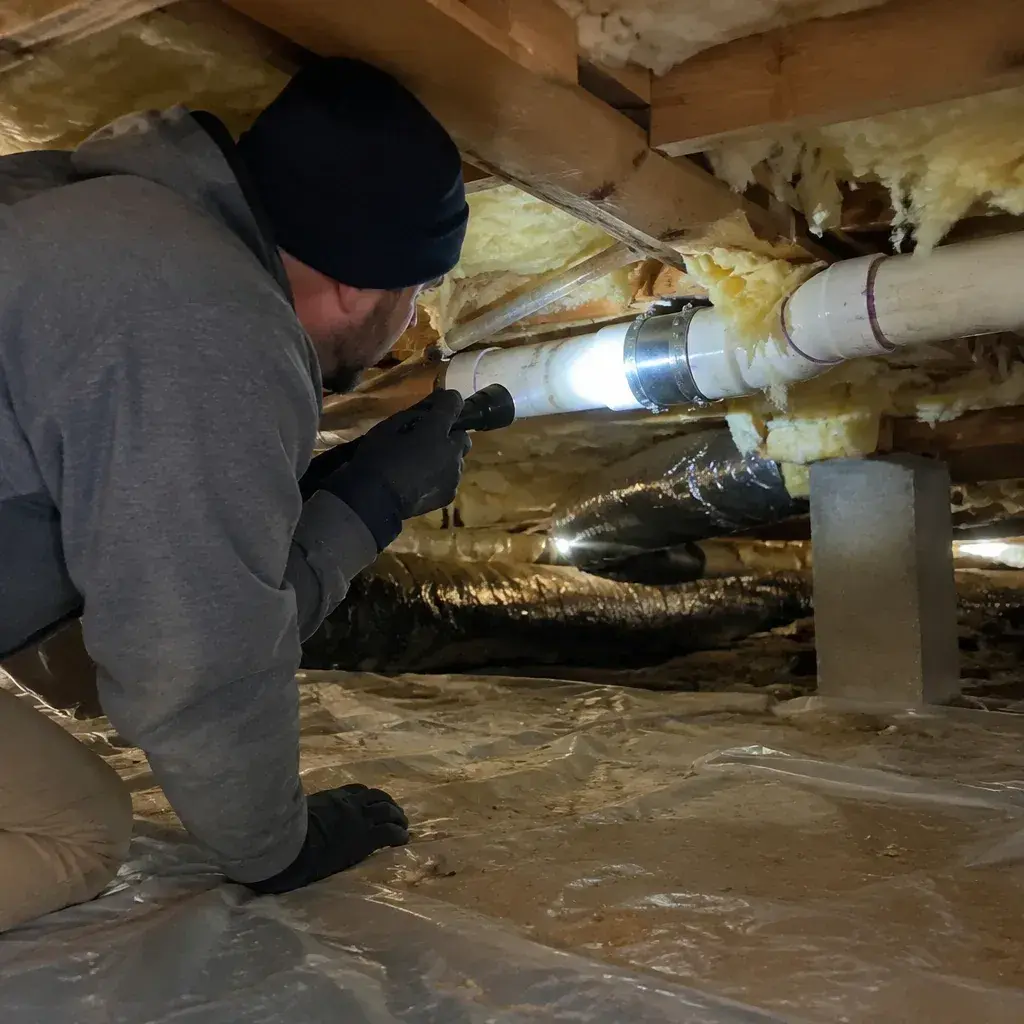
Nampa Pipe Repair Couplings Near Lakeview Park
A split pipe needs a coupling that fits both ends and the conditions the connection must handle.
A slip or push-fit coupling can join a replacement section when it is approved for both pipe ends, matches their material and dimensions, and meets the line’s pressure, temperature, and water-use ratings. Prepare and insert the pipe exactly as the product instructions require, then check the joint under pressure.
How Couplings Bridge a Pipe Gap
The day a pipe split, you may have found water spreading under a sink or a spray from an exposed line. In Nampa, replacing the damaged stretch can leave two sound pipe ends that need to join the new section. A burst pipe coupling can make that connection when its material, size, and connection method suit the existing line and replacement pipe. The fitting must also be approved for the water service. A coupling that merely slides onto the pipe is not a match unless its instructions and ratings fit the job.
A slip repair coupling is designed to move along the pipe during installation, which can help where a new section must fit between fixed ends. Its travel and final position matter: the pipe ends need the prescribed insertion depth and enough room for the coupling to move into place. A push-fit pipe coupling grips the pipe as it is inserted, using internal seals and gripping parts. The two designs solve different access and assembly problems, so the fitting instructions determine whether either can bridge the gap.
The pipe itself sets the first limits. Copper, PEX, CPVC, and other approved systems do not all share the same outside dimensions or connection requirements, even when they carry water. Compare the coupling’s listed pipe materials and nominal size with the actual line and replacement section. A fitting intended for one material or dimension can fail to seal on another. For homes around Nampa, the existing pipe must be identified rather than guessed from the room, age, or appearance of the damaged area.
Slip and Push-Fit Connections
The new connection depends on clean, prepared pipe ends. A cut that is angled, burred, scratched, or out of round can interfere with a seal or keep the pipe from reaching its required insertion depth. Slip couplings need enough straight pipe and movement to pass over the ends; push-fit designs need the specified end preparation and a fully seated pipe. Follow the product’s instructions for cutting, deburring, marking insertion depth, and assembly. The coupling cannot compensate for a damaged surface where it must seal.
A push-fit coupling may be useful when there is limited room to turn tools, provided the model is approved for the pipe and the installed location. Its internal seal meets the pipe surface as the pipe enters, while its gripping element resists pullout. A slip coupling instead needs its body shifted into position over prepared pipe ends. Neither mechanism makes a connection universal. Check clearances, insertion marks, and any restrictions on concealed or inaccessible installation in the manufacturer’s directions.
Measure both sides of the replacement section, not just the visible opening. The pipe ends must be sound, aligned, and long enough for the coupling’s required engagement; movement, supports, and nearby fittings can affect whether they stay in position. A new piece that fits the gap but leaves too little insertion length will not make a reliable joint. Near landmarks such as Curtis Park or Wolfe Field, as anywhere in Nampa, those dimensions come from the actual exposed line and the selected product’s instructions.
Pipe Fit and End Preparation
Material and size are only part of the match. The coupling’s pressure and temperature ratings must cover the conditions of the water line, and its approval must include potable-water use when it serves drinking water. Ratings belong to the specific product and connection configuration; they should not be inferred from a similar-looking fitting. Check the label and technical instructions for the intended system and location. A seal that fits physically can still be unsuitable if the operating conditions exceed its listed limits.
Water pressure tests the joint after assembly, so a repaired section should be checked under pressure for leaks before it is closed behind a wall, ceiling, or floor. A dry-looking coupling before the line is restored does not show how the seal behaves in service. If water appears at the joint, the connection needs attention before the area is covered. Access matters in Nampa homes just as it does near the Boise River: a concealed pipe can require opening the affected area to inspect and check the repair.
Ratings and Written Repair Scope
Product instructions settle details that a general description cannot, including permitted pipe types, exact dimensions, end preparation, insertion depth, and whether the coupling can be used in the planned location. Some models require a release tool or a particular method to position the fitting; others have different limits on reuse or access. Match the exact model number to its documentation. A package marked for one pipe system is not evidence that it suits a different line, even if the fitting appears to seat.
For a replacement section, the useful comparison is between the existing pipe, the new pipe, and the coupling’s written specifications. The pros we connect you with should be able to identify the pipe material and size, explain why the selected connection suits both ends, and follow the product’s assembly requirements. Keep the instructions with the repair details. That record makes it clearer what was installed and what to check if a later inspection finds moisture at the joint, including in homes near Indian Creek Park.
Coupling Fit Checklist
- Match the coupling’s approved pipe materials and dimensions to both the existing line and replacement section.
- Check pressure, temperature, and potable-water ratings against the intended water service.
- Follow the product’s cut preparation, insertion-depth, and assembly instructions; check the joint under pressure.
- Match the coupling’s listed materials and dimensions to both the existing pipe and replacement section; nominal size alone does not establish compatibility.
- Check whether the cut ends must be square, smooth, deburred, or marked for insertion; follow the specific coupling instructions before joining them.
- Confirm pressure, temperature, and potable-water ratings suit the supply line, then check the completed connection for leaks under water pressure.
Common Questions
When can a slip coupling join replacement pipe?
It can when the specific slip coupling is approved for the pipe and there is enough straight length and clearance to slide it into position over both prepared ends. The ends must reach the required insertion depth, and the fitting must meet the line’s pressure, temperature, and potable-water requirements. Check the product instructions for its movement and installation limits before selecting it for a Nampa replacement section.
Will a push-fit coupling work on my existing pipe?
Only if that exact coupling is listed for each material and dimension being joined. Do not assume a push-fit fitting accepts copper, PEX, or CPVC interchangeably. Its seal and gripping parts must match the pipe surface and size, and the product must be rated for the water service. Review the approved-material list and preparation steps for both pipe ends before using it in a Nampa home.
What should the written scope say about the coupling?
Restore water as appropriate and inspect the coupling and both pipe ends for leakage under pressure before closing the area. Confirm that the section carries water and that the joint remains dry. If it leaks, the connection needs correction before finishes go back. Keep the fitting instructions available, since the product’s assembly details help explain what was installed in the Nampa repair.
Compare the Coupling Before Joining
Ask the pros we connect you with to identify the proposed coupling and its compatibility requirements in the written repair scope.
Call +12084868147