Where Public And Private Lines Meet
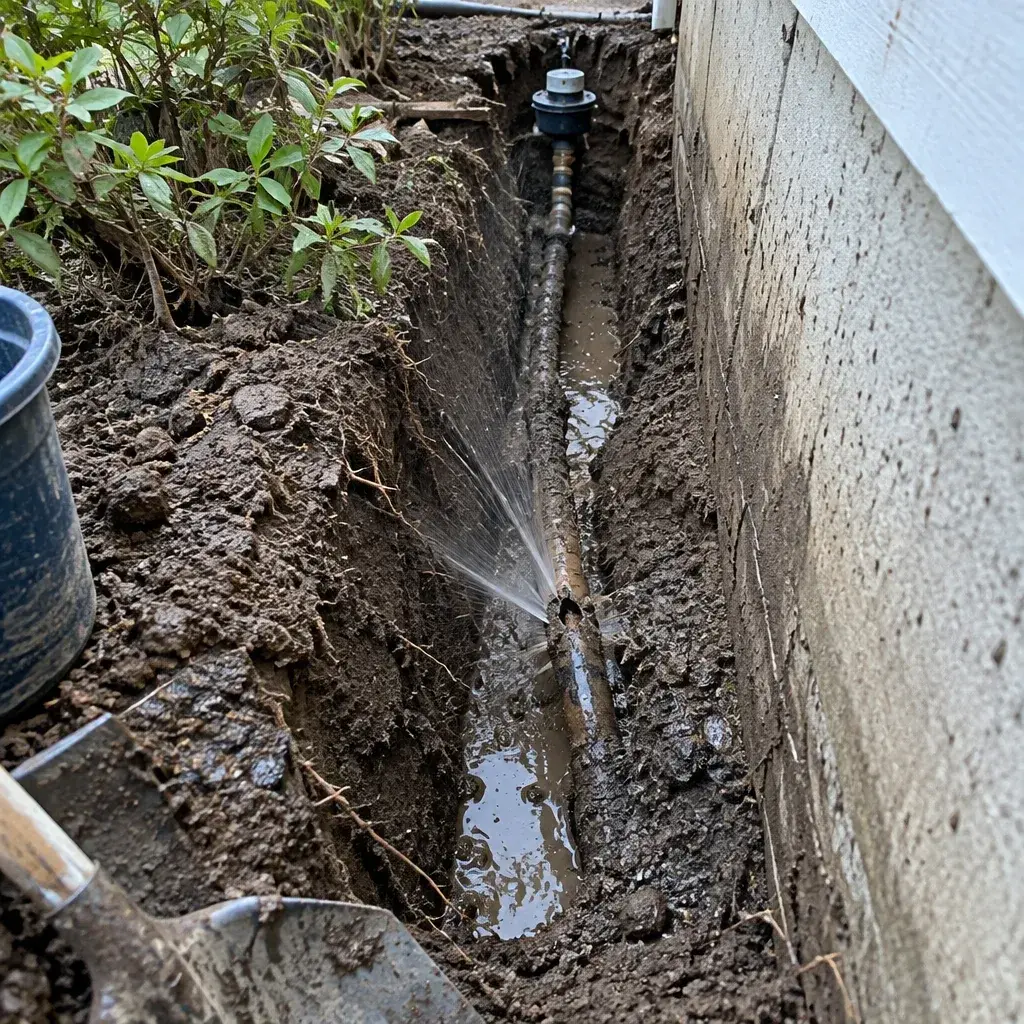
You hear water running after the taps are closed, and by morning you suspect a break on the line between the meter and your Nampa home. The first costly mistake is assuming that distance from the meter decides who pays for repair. Responsibility depends on where the public and private service sections meet under the provider’s rules and local requirements. Identify that boundary before arranging work; a pipe’s position on the property alone may not settle who maintains it.
Meter placement differs from property to property, so the route from the meter to a house near Lakeview Park may not match the arrangement at another Nampa address. A meter can sit near a building, near a property edge, or elsewhere on the service route. That location is useful context, but it does not by itself establish water line ownership. Note where you believe the affected section lies, then ask the water provider how its service boundary applies to your address.
Why Meter Location Can Mislead
The responsible party is the one assigned to maintain the specific section under the applicable service-line rules. A provider may maintain a public portion while the property owner handles a private portion, but the dividing point can vary. For a Nampa home, do not rely on a general rule from another town or assume every line after the meter belongs to the owner. Ask which party maintains the segment between your meter and house before deciding who should arrange the repair.
When you contact the provider, give the Nampa service address and explain that you suspect a break between the meter and house. Ask where the provider’s maintenance responsibility ends and what local rule or account record defines that point. A homeowner near Harward Recreation Center should use the same address-specific check as anyone elsewhere in Nampa; a nearby landmark cannot establish the service boundary. Record the answer and the rule or record the provider refers to.
Check Records And Local Rules
If you are reporting a suspected leak, describe what you observed and where you believe it is occurring without naming a party as responsible. The provider can use the service address to direct your question to the right record or department. For a Nampa property, keep the report focused on the line between the meter and home; asking about that segment makes it easier to get a clear answer about its maintenance boundary.
Ownership and repair responsibility can be related, but they are not always the same question. A property document may help show the line’s route or recorded rights, while local service rules may specify who maintains it. If you are reviewing records for a Nampa home near Lake Ethel, compare what they say with the provider’s current guidance. Ask directly whether the owner of the pipe and the party expected to arrange its repair are the same.
Report A Suspected Service Leak
Before authorizing work, confirm that the affected segment is one you are responsible for maintaining. Otherwise, you could arrange a repair before learning that the provider handles that portion, or delay work while responsibility is disputed. The pros we connect you with can use your description to discuss the plumbing work, but they cannot establish the provider’s service boundary from a Nampa address alone. Verify that boundary first, then share the provider’s direction when arranging service.
If the records and the provider’s explanation do not line up, ask what information would resolve the discrepancy before anyone commits to a repair plan. Keep the answer with your property records so you can explain which section is affected and who is expected to maintain it. That gives you a practical next question for the provider: which boundary applies to this address, and what record confirms it? A clear answer helps prevent confusion over who should arrange the work.
Dealing with a burst pipe in your home?
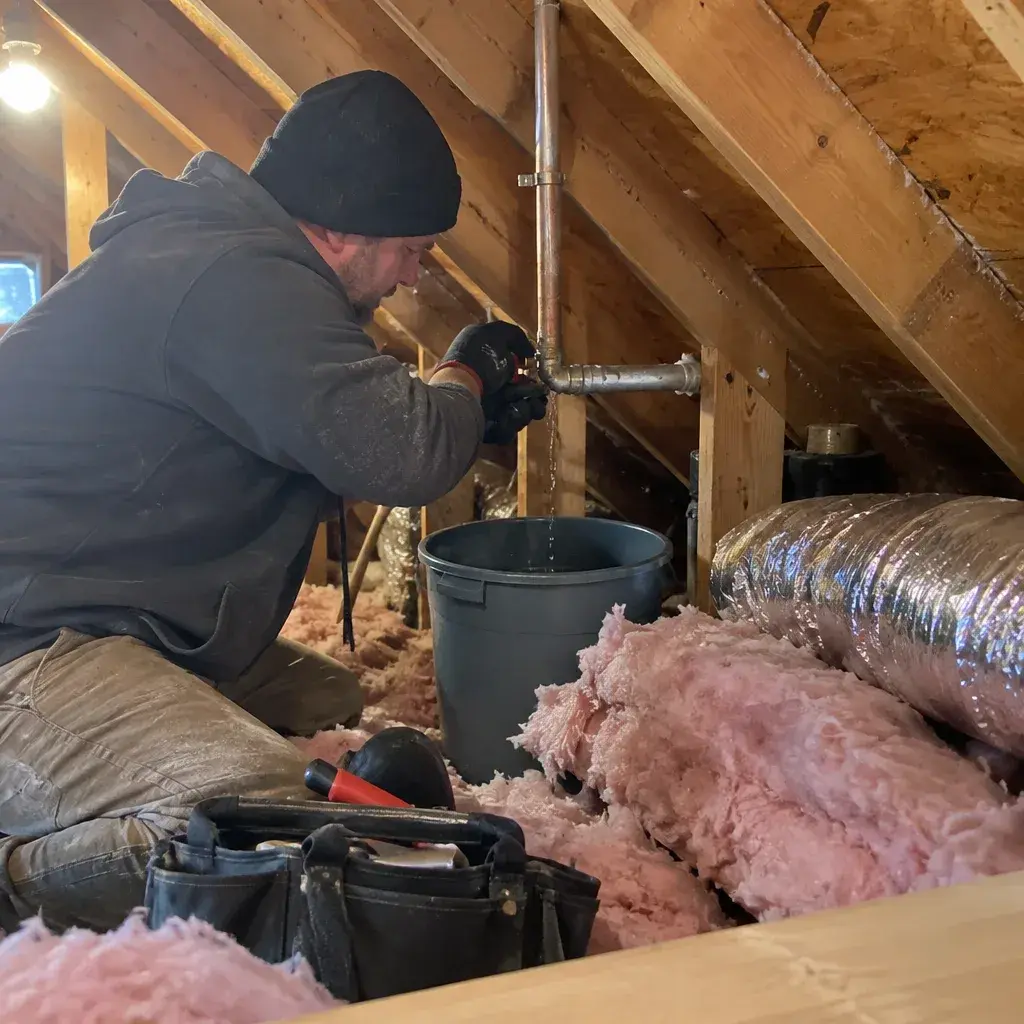
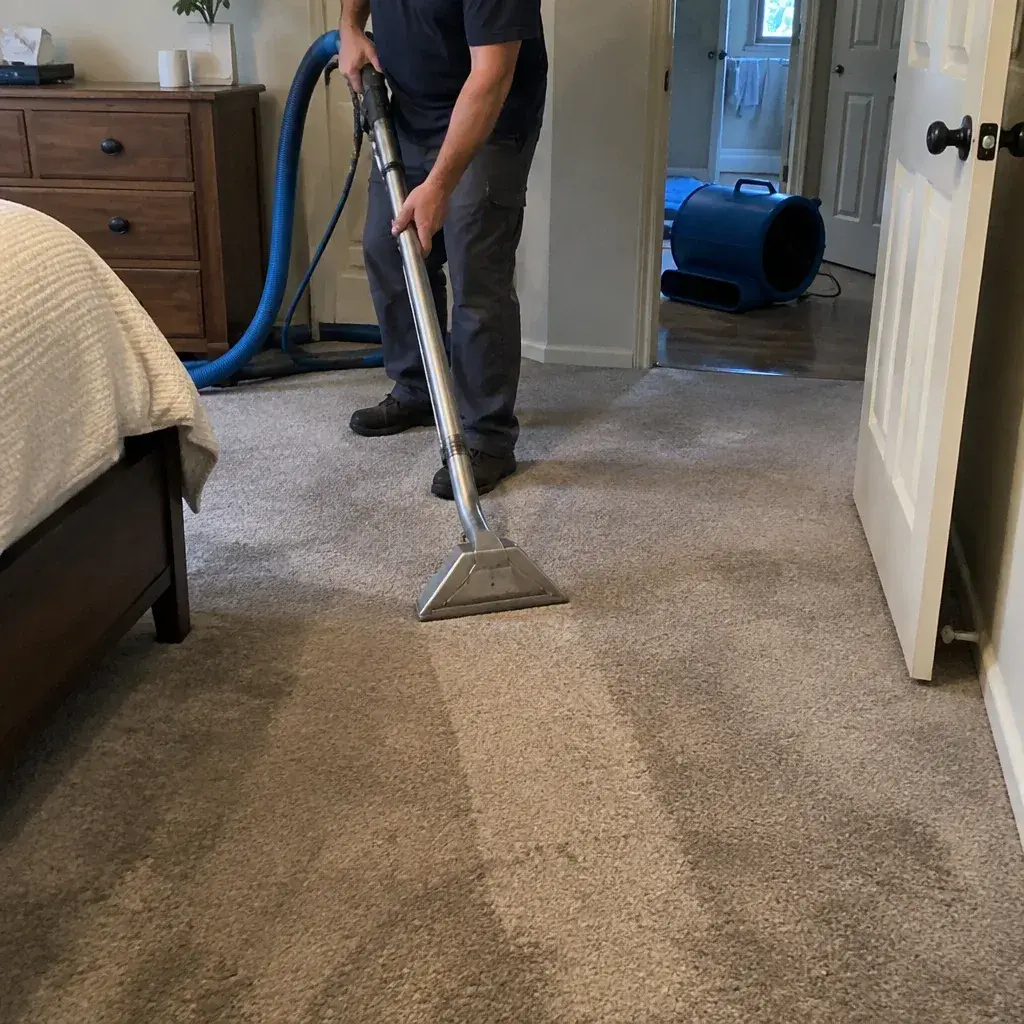
On a cold morning, you find a damp ceiling in your Nampa home, but the split may be above the stain or behind a wall. The pros we connect you with can locate the damaged supply line, then choose a repair that fits its material and connection; water extraction and drying are separate work. If water is still flowing, shutting off the home's main valve can limit additional wetting while the leak is assessed. Give your address and ask whether they cover it, what availability and timing they can offer, and whether a visit charge applies.