Look Closely at the Repaired Pipe
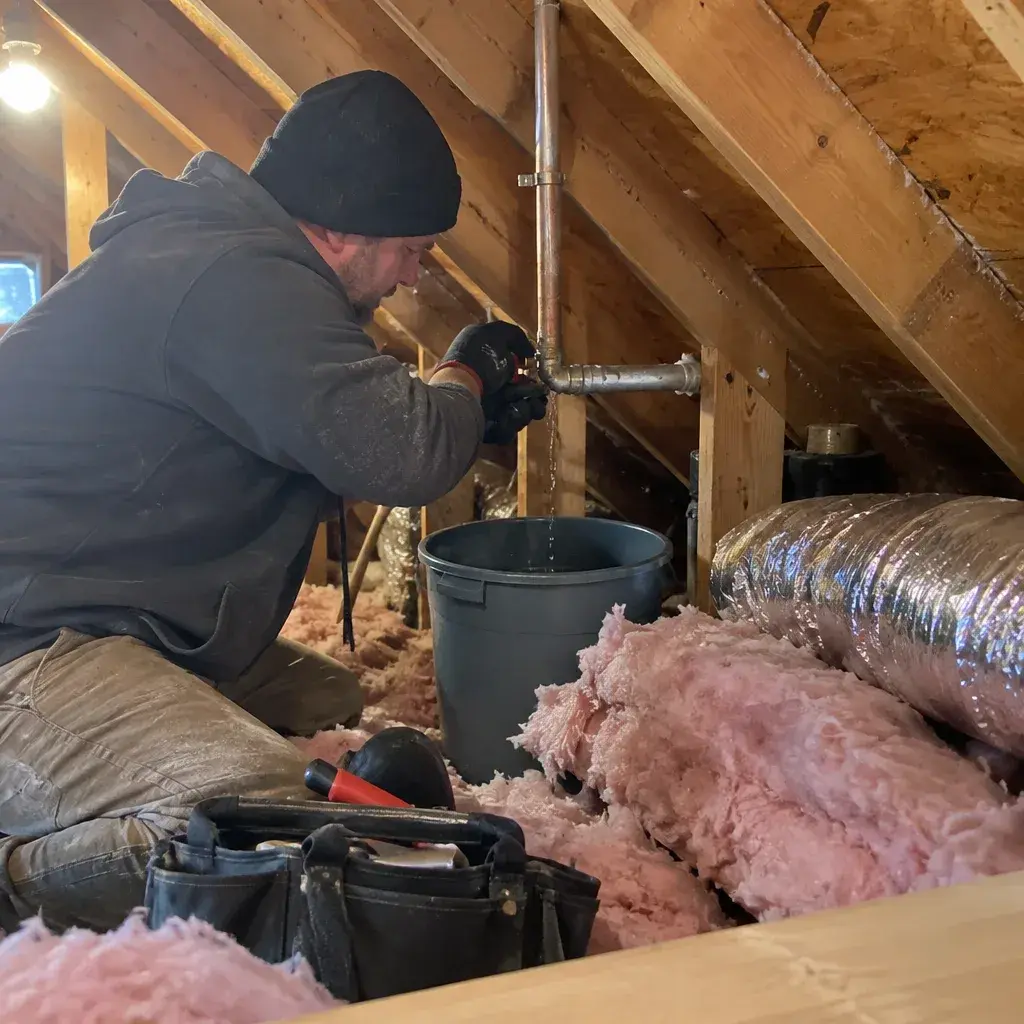
On a cold Nampa morning, you might find a damp spot where a pipe let go overnight. After the repair, the plumber looks directly at the exposed section and its connections before the area is closed. Fresh beads of water, a growing wet mark, or a drip can show that water is still escaping. A dry surface is a useful sign, but it is only one part of the check; water pressure can reveal a small leak that was not visible at first.
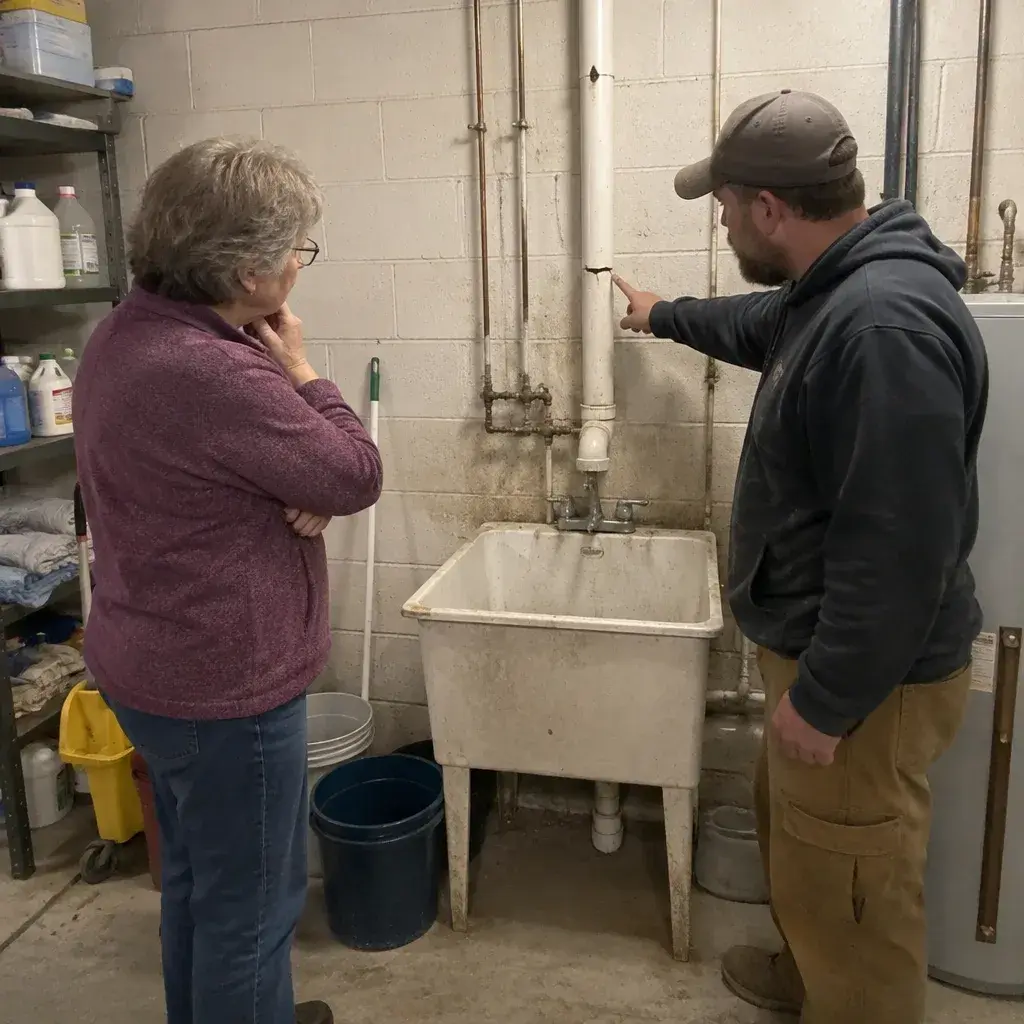
The pros we connect you with can also look for signs left around the work area, such as water tracking along a pipe or collecting below a joint. In Nampa, a damp patch near Lake Ethel may be where water appeared, not where the break sits. That is why the plumber checks the repaired section itself and nearby surfaces. You can ask what was inspected and whether any moisture they saw was residual water or a sign the line still needs attention.
Watch as Water Service Returns
Once the repair is ready for checking, water is returned in a controlled way so the line comes under pressure while the plumber watches the connection. A new bead, spray, or steady drip at the repair points to escaping water. In Nampa, if your home is near Lakeview Park, the location does not change the check: the key is whether the repaired section stays dry as water moves through the pipe. Ask what the plumber observed as service resumed.
A pressure test checks the repaired pipe while it is under water pressure, which can expose a leak that a quick visual look missed. The plumber observes whether the repaired section remains sound during that check and follows up with a visual inspection. A test result should be explained in plain terms: what was tested, what the plumber saw, and whether water appeared at the connection. You can ask whether the repair was checked under pressure before the work area was closed.
Check Nearby Connections and Fixtures
Water can show up at a nearby joint even when the visible repair looks dry, so the plumber checks connections around the affected section. A damp fitting, a fresh drip, or a small pool beneath a joint can indicate another point needs attention. A shift in the pipe can strain a nearby connection even if the repaired spot stays dry. Ask whether the adjacent joints were included in the leak check.
The plumber can also observe nearby fixtures while water is back on, since a fixture connection may reveal a leak that is separate from the repaired pipe. Look for fresh moisture below a sink or around a visible supply connection after use. If the original wet area was near Mason Creek, water may have traveled before it appeared, so the first stain alone may not show every affected point. Tell the plumber what you noticed and ask which nearby fixtures were checked.
Notice What Changes Afterward
After the plumber finishes, keep an eye on the repair area and nearby surfaces as normal water use resumes. A dry connection that develops beads, a recurring drip, or a spreading wet mark deserves a prompt call back. In Nampa, a ceiling mark near Lakeview Park can remain visible after a leak is stopped, so watch for new moisture rather than assuming an old stain proves the repair failed. Ask the plumber which signs should prompt you to call.
Before the visit ends, ask what checks were completed and what the results showed. Did the plumber inspect the repaired section, restore water while watching it, and check nearby joints or fixtures? What should you watch for once the area is dry? Those answers help you tell the difference between a completed leak check and a surface that needs another look. If you notice fresh water after service resumes, report where it appears and when you first saw it.
Dealing with a burst pipe in your home?
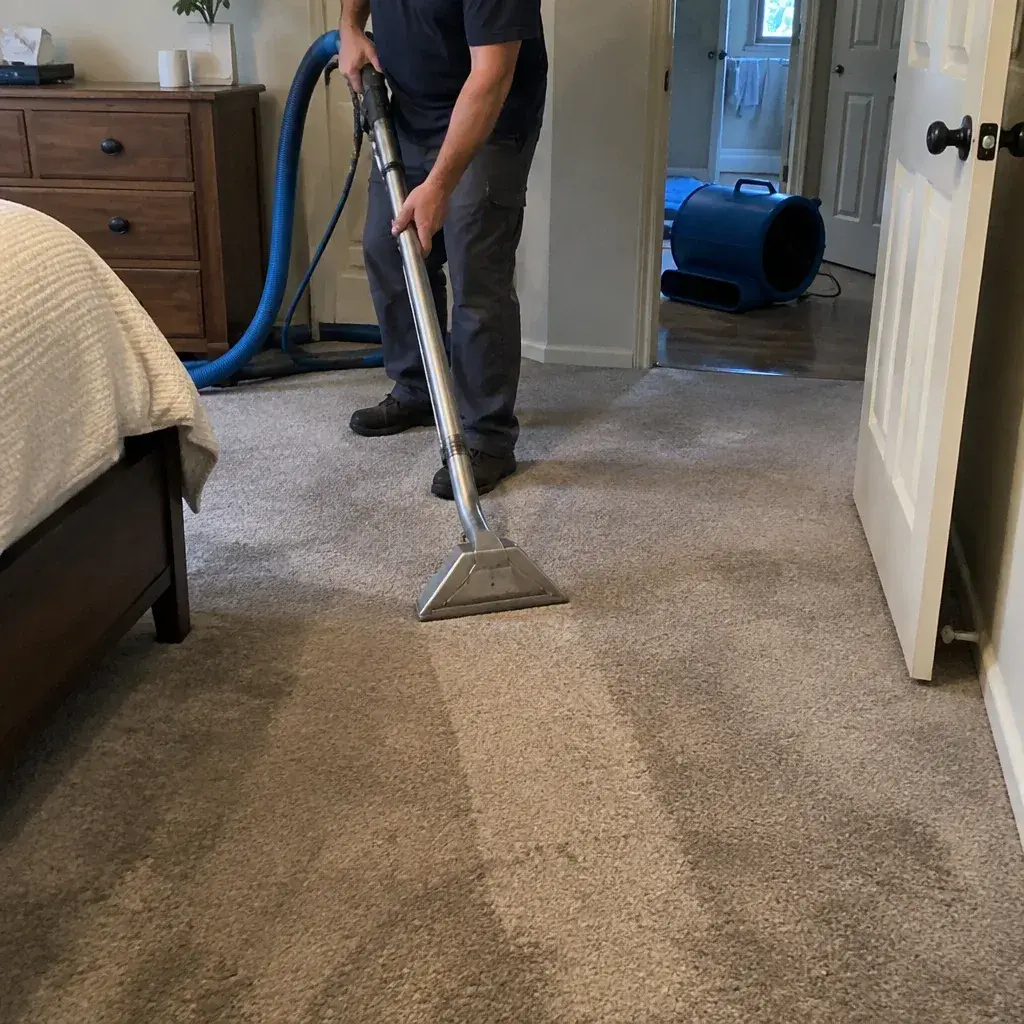
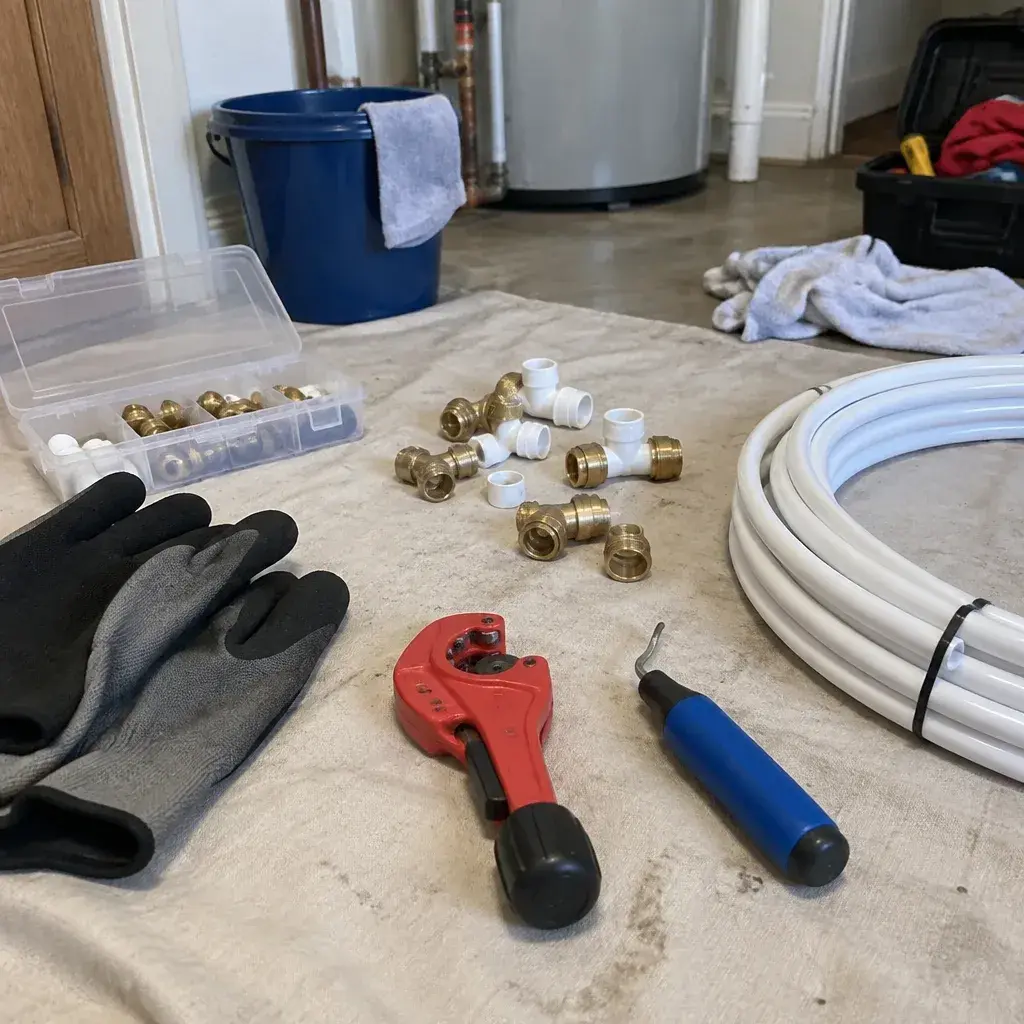
On a cold morning, you find a damp ceiling in your Nampa home, but the split may be above the stain or behind a wall. The pros we connect you with can locate the damaged supply line, then choose a repair that fits its material and connection; water extraction and drying are separate work. If water is still flowing, shutting off the home's main valve can limit additional wetting while the leak is assessed. Give your address and ask whether they cover it, what availability and timing they can offer, and whether a visit charge applies.