Notice Where Pressure Drops
The water came back after the burst pipe repair, but the shower still ran weak and the kitchen tap barely flowed. In Nampa, that pattern can mean water is restricted somewhere along the supply, though the location matters. Compare fixtures you can safely use: pressure low throughout the home suggests a broader issue, while one weak tap points to a more limited area. The sections below connect those patterns with valve position, signs around the repaired line, and when to contact the service provider.
Notice whether the change affects hot and cold water, and whether it appears at several fixtures or only one. If a bathroom and kitchen both have weak flow in a Nampa home, the cause may be upstream of those taps; a single affected fixture gives a narrower clue. A home near Indian Creek has the same basic supply pattern as elsewhere: water reaches fixtures through connected lines, so the spread of the change can help describe where pressure seems to fall. Note what changed and where.
A Partly Closed Shutoff
A shutoff valve left partly closed can narrow the path water has to move through after service, leaving pressure lower than you remember. Debris in a faucet aerator can also restrict flow at one tap even when other fixtures seem normal. In Nampa, a pressure drop across several taps after the repair makes this a useful observation to share. If you are unsure about the valve or pressure remains low, contact the service provider rather than forcing it.
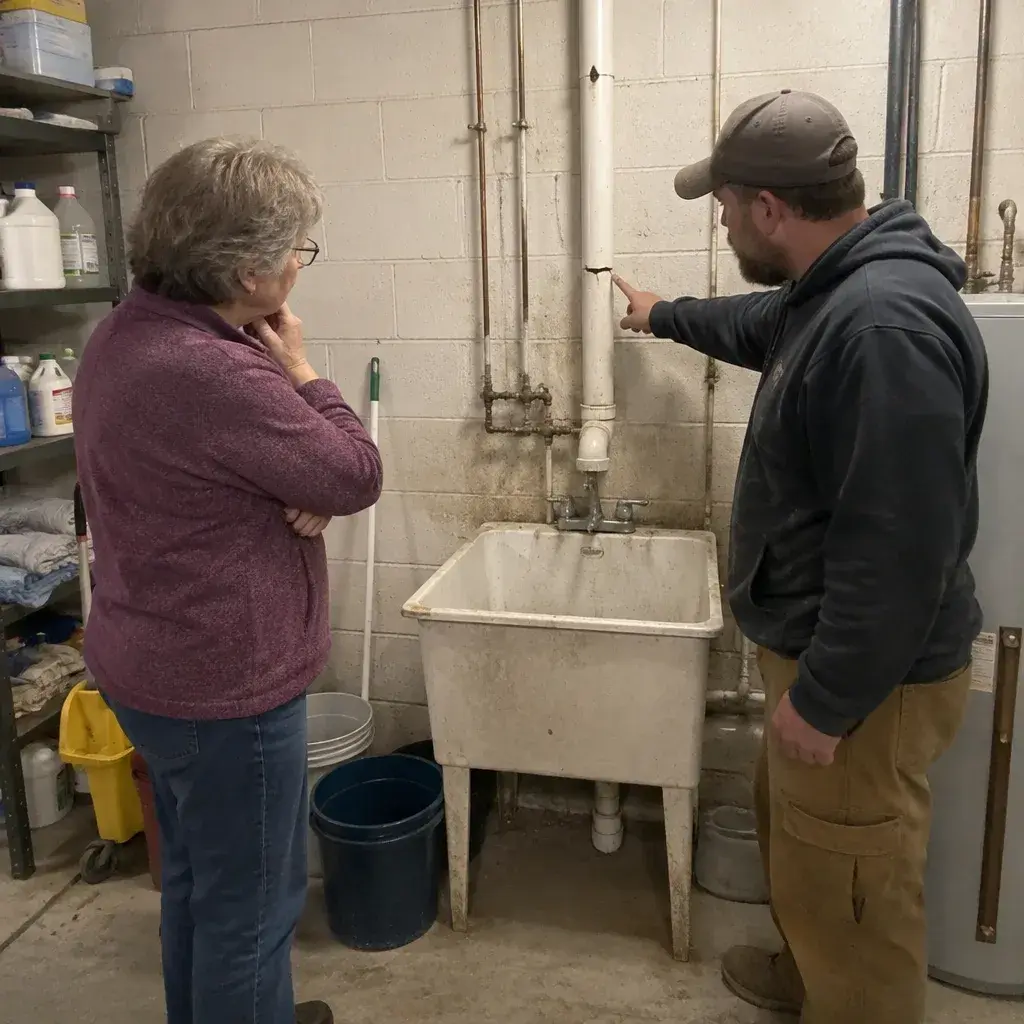
Repair work can also disturb debris inside a line, and that material may restrict flow as water moves toward a fixture. You might notice one tap weakening more than others, or the change may affect several outlets if the restriction sits farther along the supply. The location and reach of the repaired section matter, so avoid guessing from pressure alone. For a Nampa home near Griffiths Park, tell the provider which fixtures changed and whether the drop began as soon as water service returned.
Watch for Signs of Another Leak
Low pressure alongside fresh dampness, a new stain, or a sound of running water near the repaired area deserves prompt attention. If only fixtures on one branch have low pressure, the issue may be limited to that part of the plumbing. Around a Nampa home, note whether the wet area is growing or close to the repair location, but do not open walls or enter an unsafe space. Contact the service provider if a leak is visible.
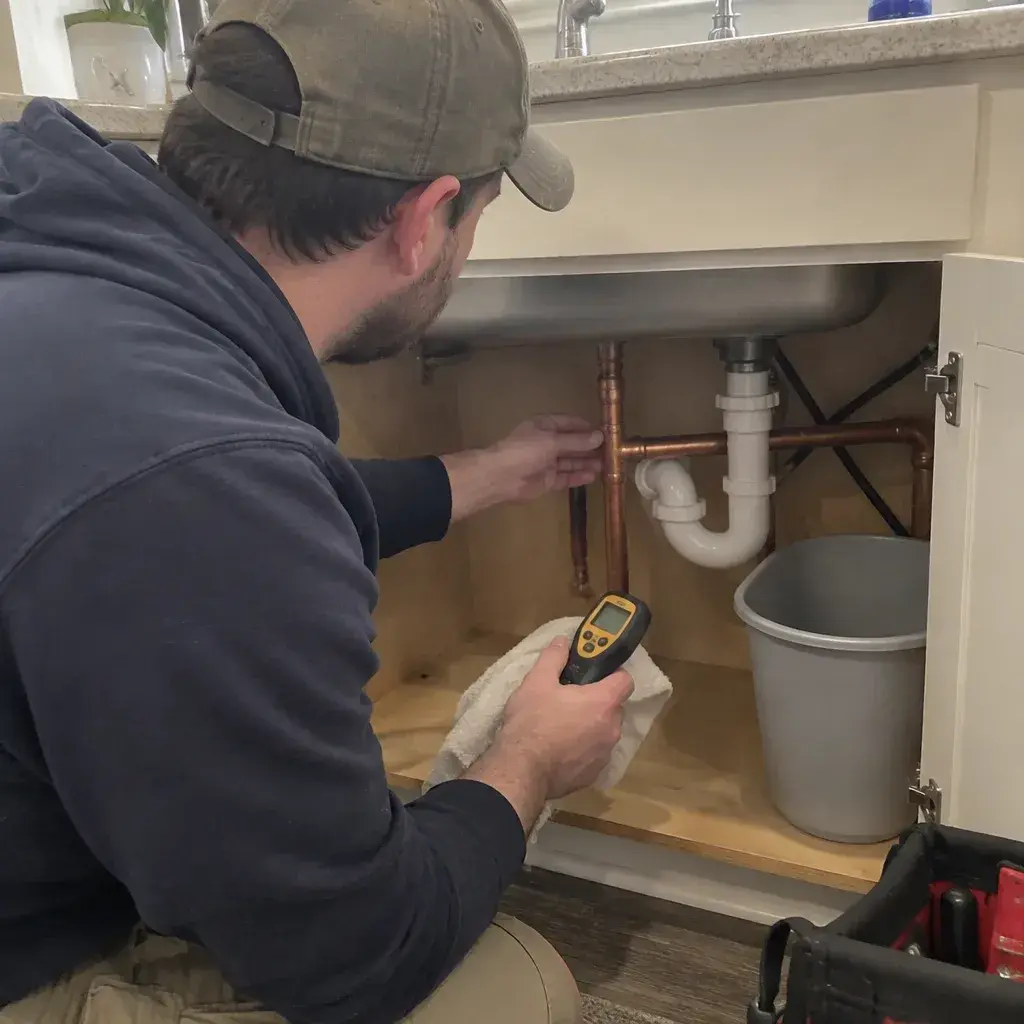
A pressure change without visible water can still leave questions, especially when the repaired pipe is hidden behind a finish. Check only what you can see safely: whether the nearby area looks newly wet, whether a stain has changed, and whether pressure is falling further. A home near Curtis Park may show no obvious sign if a line is concealed, so an absence of dampness does not identify the cause. Share the timing and location of any changes with the provider who handled the repair.
When to Call the Provider
Pressure that stays low after you notice an accessible shutoff position is a reason to contact the service provider. So is a visible leak, fresh wetness, or a pressure drop that spreads to more fixtures. If only hot water is affected, note that detail because it can help narrow attention to the hot-water side of the system. Those details help the provider consider the repair and other supply issues without relying on a guess based on one fixture.
When you call, useful questions are: Does the pressure pattern suggest a restriction near the repaired section, or another supply issue? Could a partly closed shutoff explain the change? Is there a visible sign that needs prompt attention? If pressure remains low or you see a leak, contact the service provider and report what changed. For a Nampa home, clear observations near Wolfe Field or elsewhere help keep the discussion focused on the symptoms and what they may indicate.
Dealing with a burst pipe in your home?
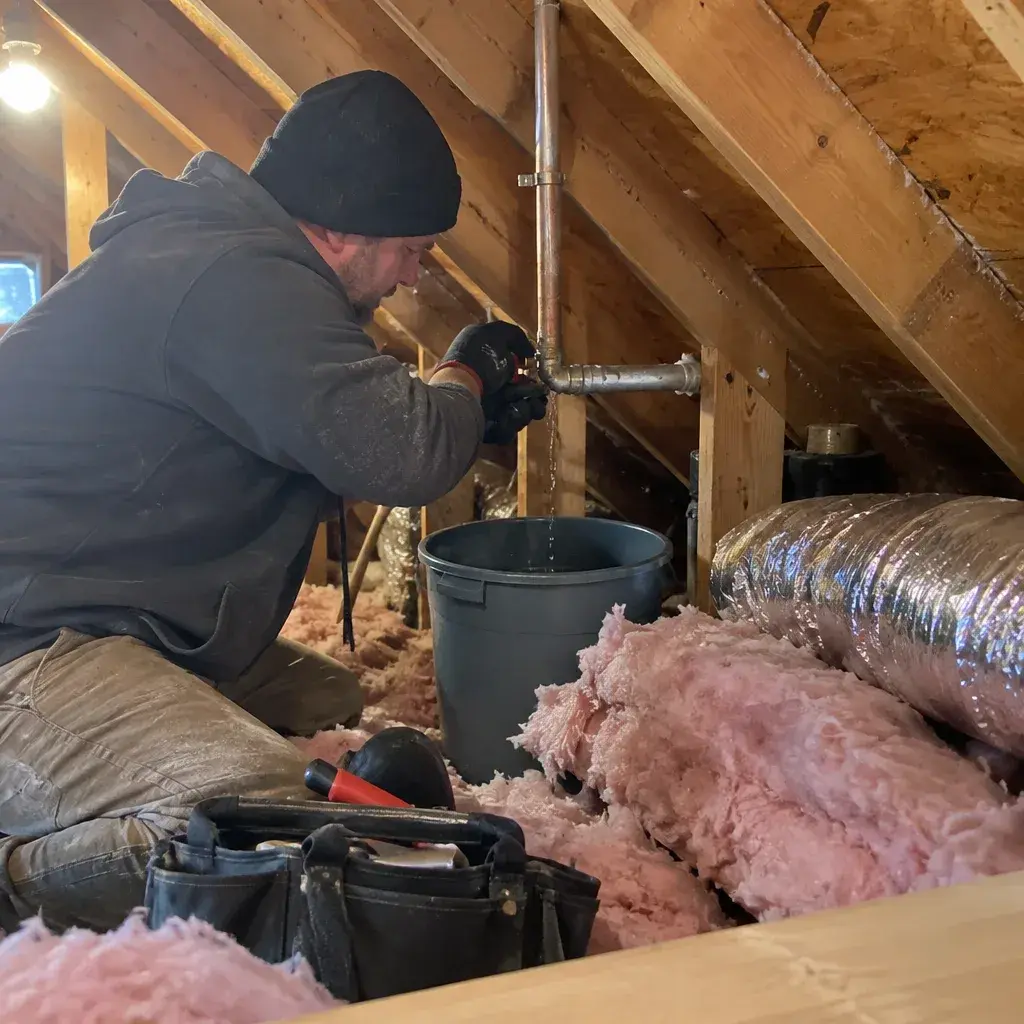
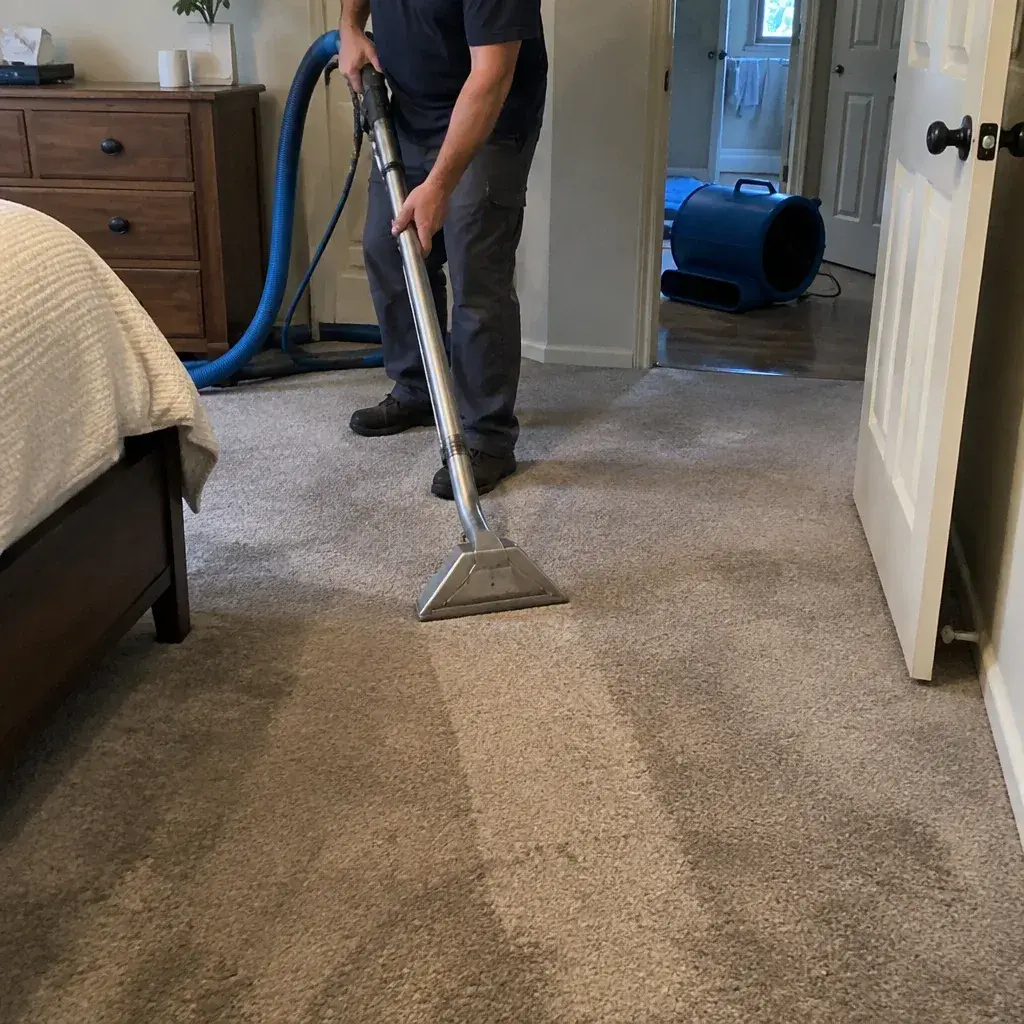
On a cold morning, you find a damp ceiling in your Nampa home, but the split may be above the stain or behind a wall. The pros we connect you with can locate the damaged supply line, then choose a repair that fits its material and connection; water extraction and drying are separate work. If water is still flowing, shutting off the home's main valve can limit additional wetting while the leak is assessed. Give your address and ask whether they cover it, what availability and timing they can offer, and whether a visit charge applies.