Why Water Changes After Repair
The repair was finished, then the first glass from your Nampa tap looked rusty or cloudy. A burst and the work to replace its damaged section can disturb sediment inside the line, which may briefly change the water’s appearance when flow returns. The color alone does not identify where that material came from. The sections below explain why sediment shifts, how hot and cold taps can help narrow the pattern, and what to record before you contact the provider or water supplier.
A small amount of loosened sediment can make water look brown, orange, or cloudy after plumbing work. It may appear at first and then fade as the disturbed material moves through the line. That short-lived change is one possible cause of discolored water after repair; it does not confirm that the repair failed. Note when you first see the color and whether it changes, so you can describe the pattern rather than guess at its source.
Compare Hot And Cold Water
Compare hot and cold water at the same tap, then check another tap if convenient. If only hot water looks discolored, tell the provider that the cold side appears different; if both sides look alike, include that detail too. The comparison can help the provider consider which part of the plumbing to assess. It cannot identify the cause by itself, but it gives a more useful account than saying only that the water looks cloudy.
In Nampa, the pattern inside your home matters more than a comparison with another address. A report from Caldwell, including one near Curtis Park or Wolfe Field, cannot establish what is moving through your own line. Different plumbing systems can show different symptoms after repair. Keep your observations tied to your taps: which ones show color, whether hot and cold differ, and whether the appearance is changing.
Record The Color And Timing
If the color clears and then returns, or stays visible instead of fading, let the repair provider know. Recurring discoloration may need a closer look at the affected line or the work area. Describe whether it began immediately after the repair, appeared later, or changed after water was used. That timeline helps the provider decide what to check next without treating every color change as the same problem.
If you see a fresh leak along with the discoloration, note where water is coming from and contact the provider promptly for direction on limiting further water. Take a photo if you can do so safely, and record which tap or pipe area is involved. This gives the pros we connect you with a clearer starting point when you arrange follow-up. Avoid entering a wet area with electrical hazards.
When To Contact The Provider
Water color by itself does not show whether a repaired joint is leaking. Note whether the color appears at one tap or several, and whether it clears after the water runs. If you notice new wetness, a visible drip, or discoloration that returns, describe each observation separately. That distinction helps the provider assess the repair and the water change without assuming one proves the other.
Follow the repair provider’s guidance, and contact them or the water supplier if discoloration persists, returns, or appears at multiple taps. Tell them whether the water looks rusty or cloudy, whether hot and cold differ, and when you first noticed it. For Nampa households, those details help direct follow-up to the right part of the system. Ask what they recommend before taking further steps with the water.
Dealing with a burst pipe in your home?
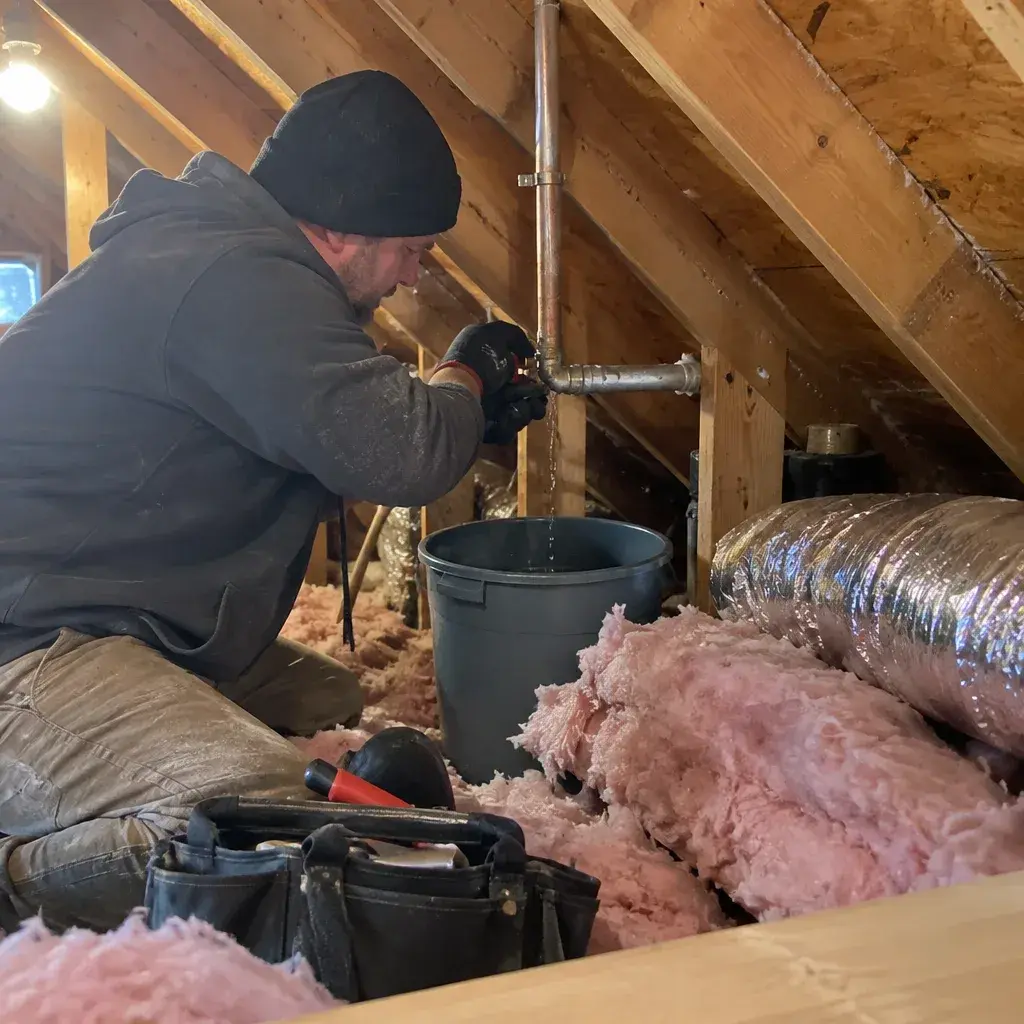
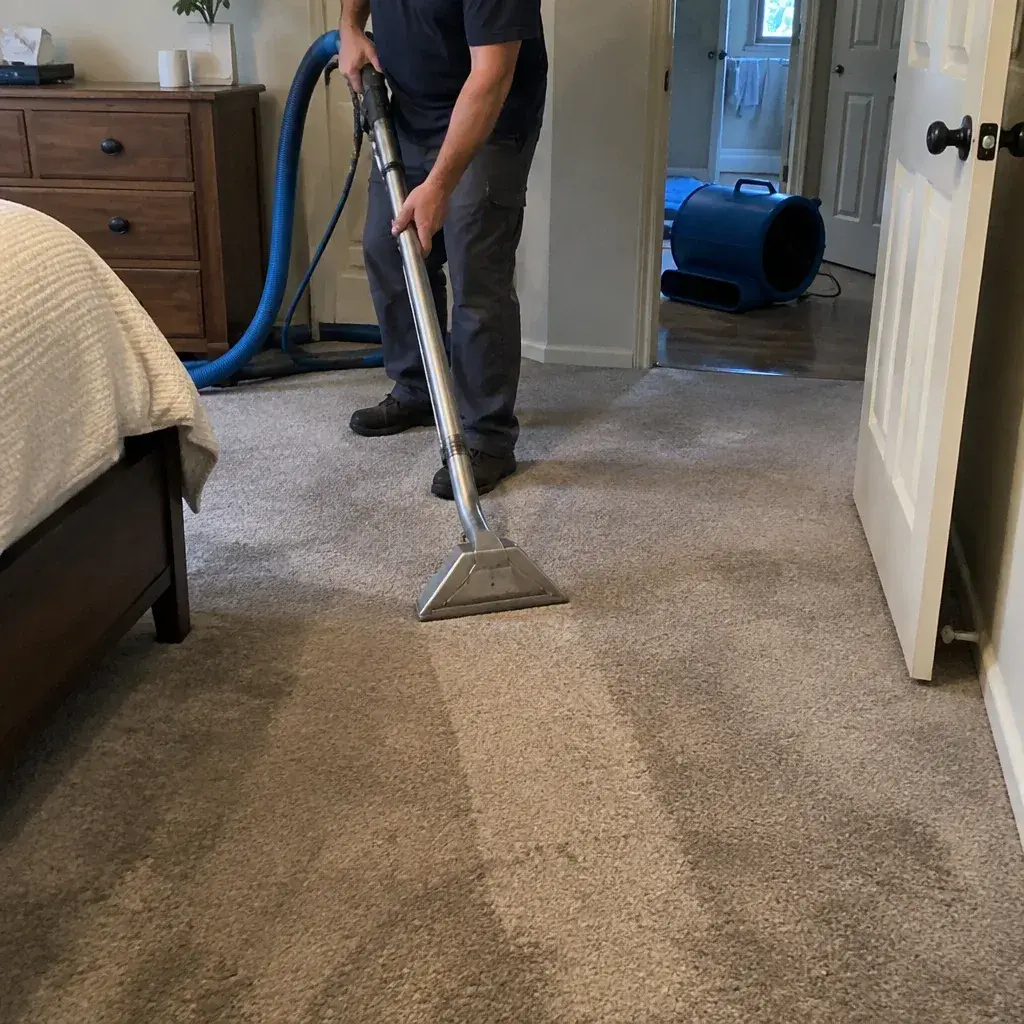
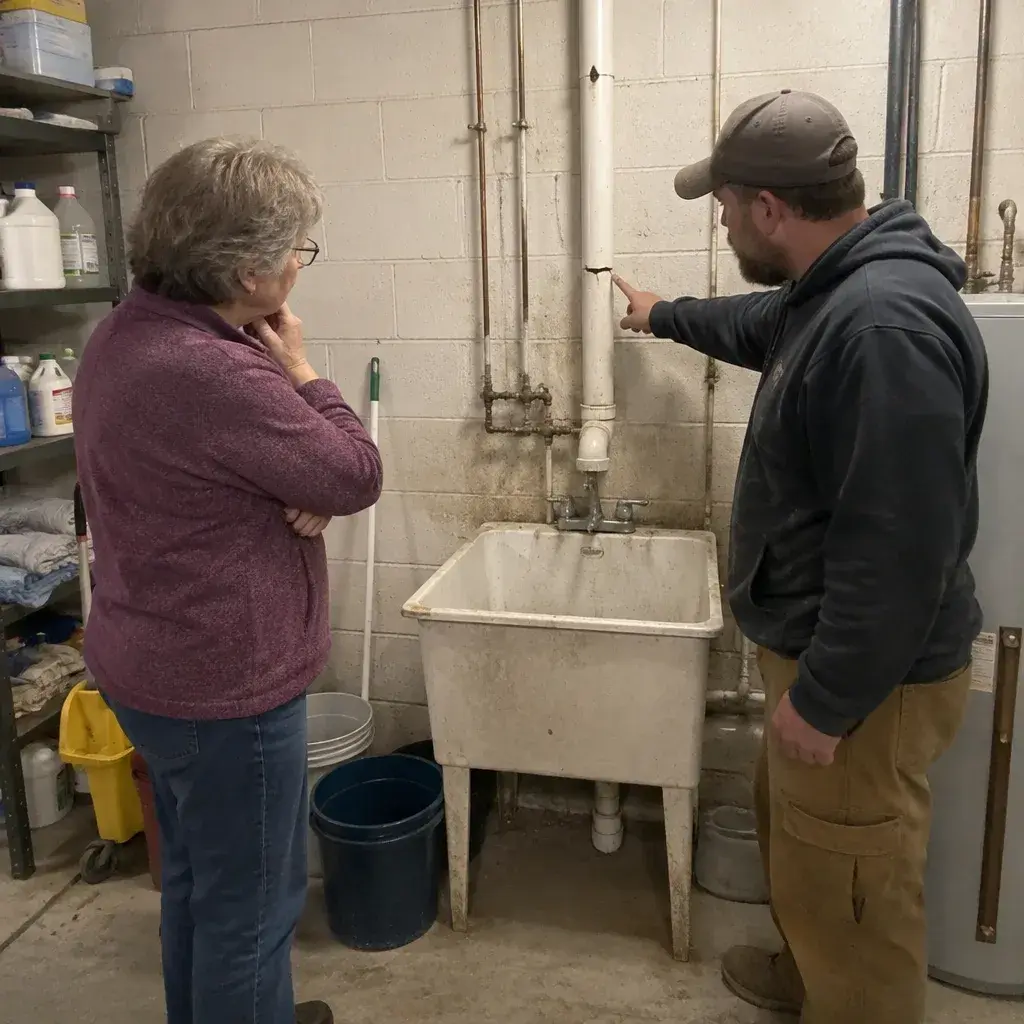
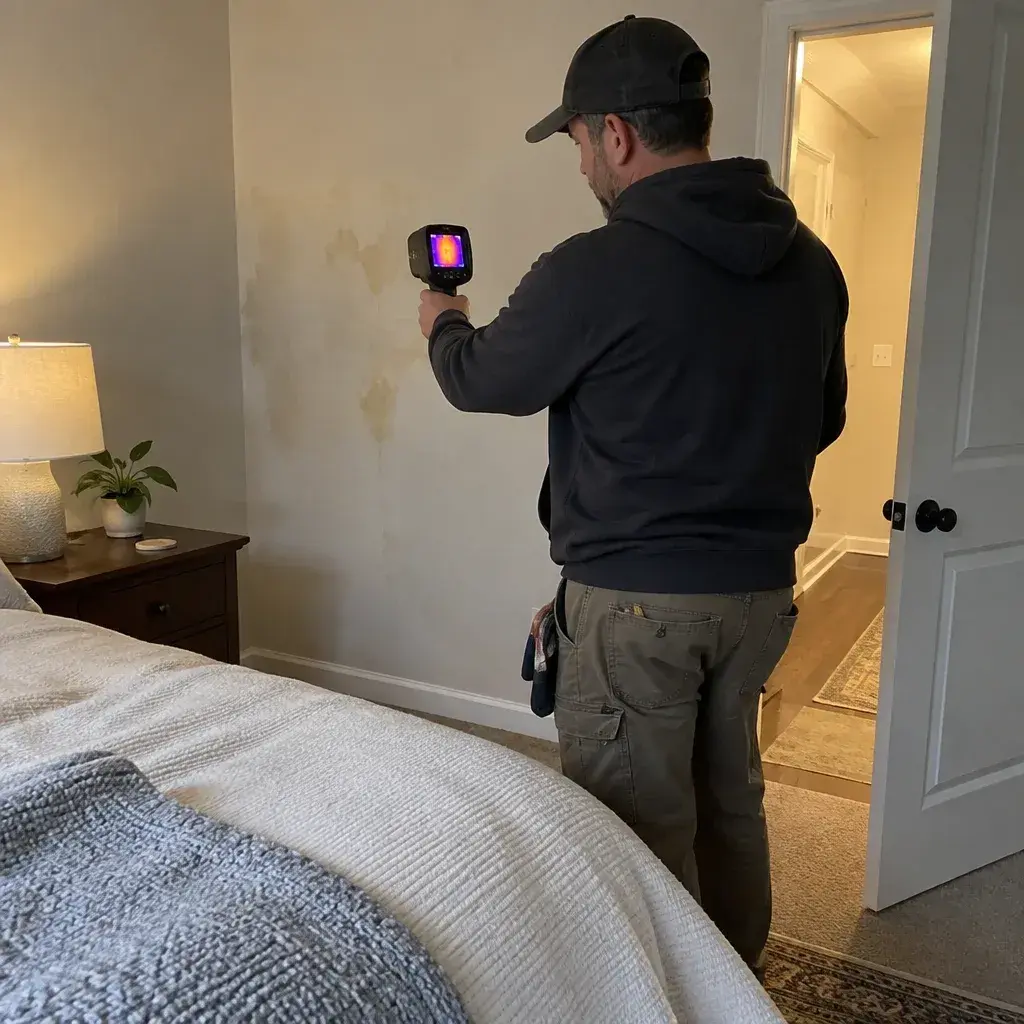
On a cold morning, you find a damp ceiling in your Nampa home, but the split may be above the stain or behind a wall. The pros we connect you with can locate the damaged supply line, then choose a repair that fits its material and connection; water extraction and drying are separate work. If water is still flowing, shutting off the home's main valve can limit additional wetting while the leak is assessed. Give your address and ask whether they cover it, what availability and timing they can offer, and whether a visit charge applies.