Why Faucets Sputter After Repair
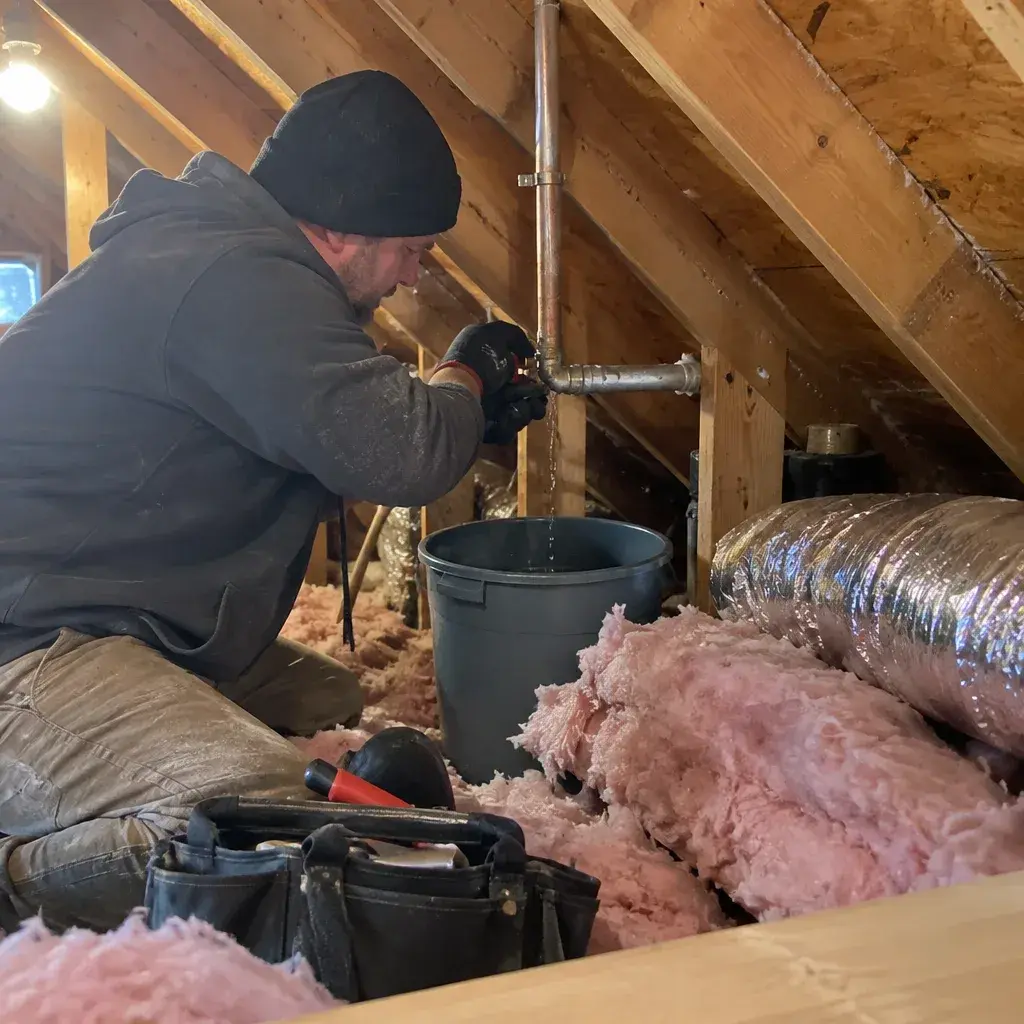
The water came back after a pipe repair, and the faucet spat air between short bursts of water. When a line is shut down for work, air can occupy space that water normally fills. Restored service pushes that air along the pipe until it escapes through an open fixture, making the stream pulse or cough. This is one reason a sputtering faucet after plumbing work may happen without a new break. The pattern and whether it fades help explain what you are seeing.
Air in pipes after repair can sound like a brief knock or hiss as it moves through bends and out of a faucet. The sound may happen at the same time as uneven spurts, then stop when the air pocket clears that outlet. In Nampa, note when the noise starts and whether it follows water use at another fixture. That timing gives the repair professional a clearer picture of how the air in water lines is moving through the home.
What the Fixture Pattern Shows
Watch whether the sputtering is limited to one faucet or appears at several. If only one outlet spits, the disturbance may be confined to that fixture’s branch; if sinks in separate rooms behave alike, air may still be moving through a shared stretch of supply line. The same observation is useful in Nampa, Middleton near Bauman Community Pool and Boundary Road Park, or Greenleaf near Greenleaf Friends Academy. Record which fixtures react and whether they do so together.
The sequence can reveal where the symptom shows up without exposing any pipe. For example, a kitchen faucet that sputters first and a bathroom faucet that reacts later may suggest air is traveling along the system rather than originating at both spouts. In Nampa, note whether hot and cold handles produce the same interruption, or whether it appears on just one side. That detail can help the repair professional understand which part of the water supply is involved.
Air Bursts or Signs of a Leak
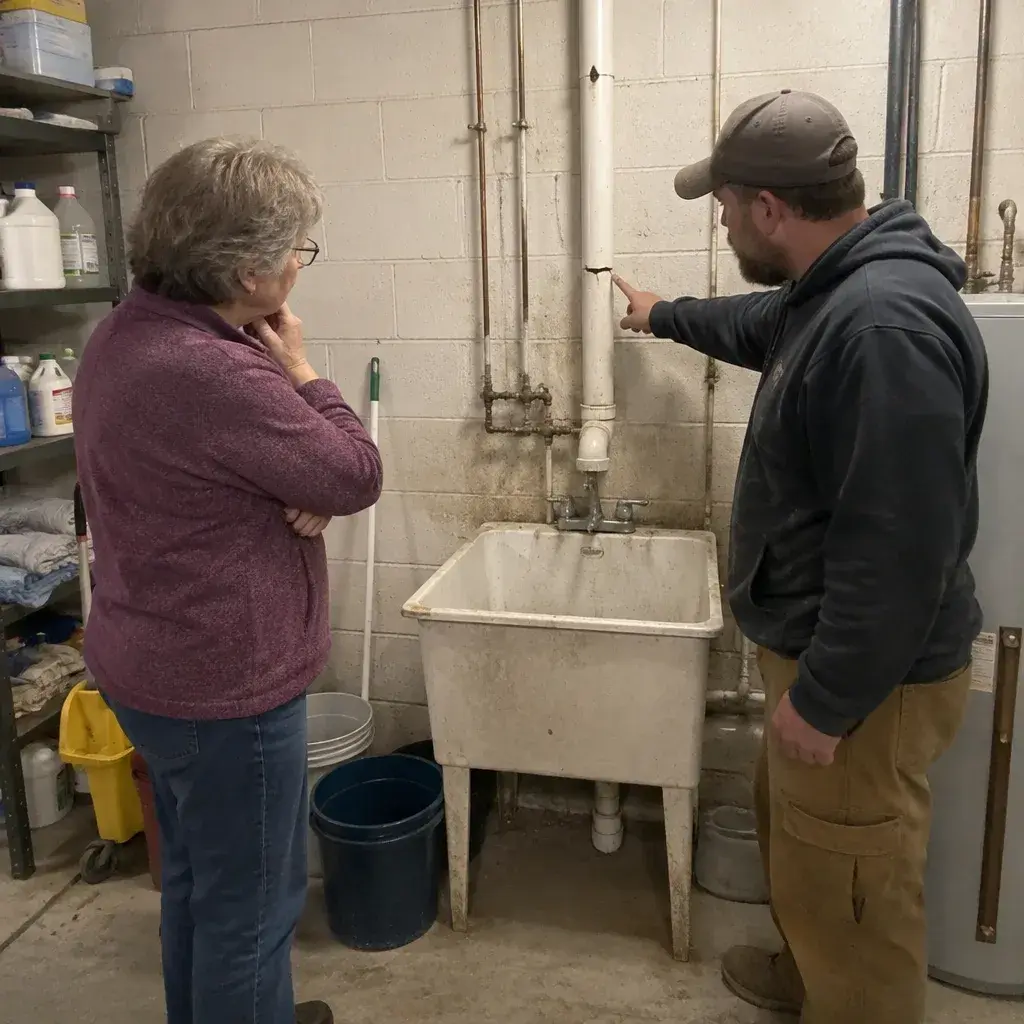
Air usually leaves in uneven bursts that lessen or stop, while a leak keeps adding water to a surface or fixture area. Look beneath nearby sinks and around visible plumbing for fresh droplets or a growing damp patch after the faucet is off. A sputtering sound by itself does not show that the repaired pipe is leaking, but new moisture deserves attention. In Nampa, keep track of where dampness appears and whether it returns after the water has stopped running.
Notice whether the faucet’s stream settles into a steady flow or keeps breaking up each time you use it. A short-lived sputter can fit air leaving the line; repeated bursts over separate uses may mean the cause has not cleared or another condition is affecting that fixture. You do not need to identify the pipe yourself. A simple note about which outlet sputters, and when it began after service returned, helps the repair professional compare the symptom with the work performed.
When to Contact the Repair Professional
Contact the repair professional if sputtering continues, returns after seeming to stop, or appears alongside a leak or lasting pressure change. Describe which faucets are affected, whether hot or cold water triggers it, and whether you see moisture near the repaired area. In Nampa, those observations can help the pros we connect you with decide what to check next. If water is visibly escaping, say where it appears and whether the wet area is changing.
A useful question for the repair professional is whether the pattern you observed fits air clearing from the line or calls for another inspection. Share when service returned, which fixtures reacted, and whether the stream became steady or the symptom persisted. That account is more useful than guessing at a hidden pipe’s condition. If the sputtering continues or comes with a leak or persistent pressure change, pass those details along promptly and ask what follow-up is appropriate.
Dealing with a burst pipe in your home?
On a cold morning, you find a damp ceiling in your Nampa home, but the split may be above the stain or behind a wall. The pros we connect you with can locate the damaged supply line, then choose a repair that fits its material and connection; water extraction and drying are separate work. If water is still flowing, shutting off the home's main valve can limit additional wetting while the leak is assessed. Give your address and ask whether they cover it, what availability and timing they can offer, and whether a visit charge applies.